
Hind Today News
Breaking | National | World
Breaking | National | World
Causes, Effects, and Solutions Every Citizen Should Understand
Air pollution has emerged as one of the most serious environmental and public health challenges facing India today. Over the past few decades, rapid urbanization, industrial expansion, and population growth have significantly increased pollution levels in major Indian cities. Cities such as Delhi, Mumbai, Kolkata, Bengaluru, and many others frequently report dangerously high levels of air pollution, especially during winter months.
Air pollution occurs when harmful substances such as gases, smoke, dust, and tiny particles enter the atmosphere in large quantities. These pollutants contaminate the air we breathe and can cause severe damage to human health, ecosystems, and climate patterns. For millions of people living in densely populated urban areas, exposure to polluted air has become a daily reality.
In many Indian cities, the concentration of harmful pollutants often exceeds the safe limits recommended by health organizations. This means that residents, including children and elderly citizens, are continuously exposed to unhealthy air that can cause long-term health problems.
The rise of air pollution is not only an environmental issue but also an economic and social concern. Poor air quality can reduce productivity, increase healthcare costs, and lower overall quality of life. Understanding the causes and consequences of air pollution is therefore essential for both policymakers and citizens.
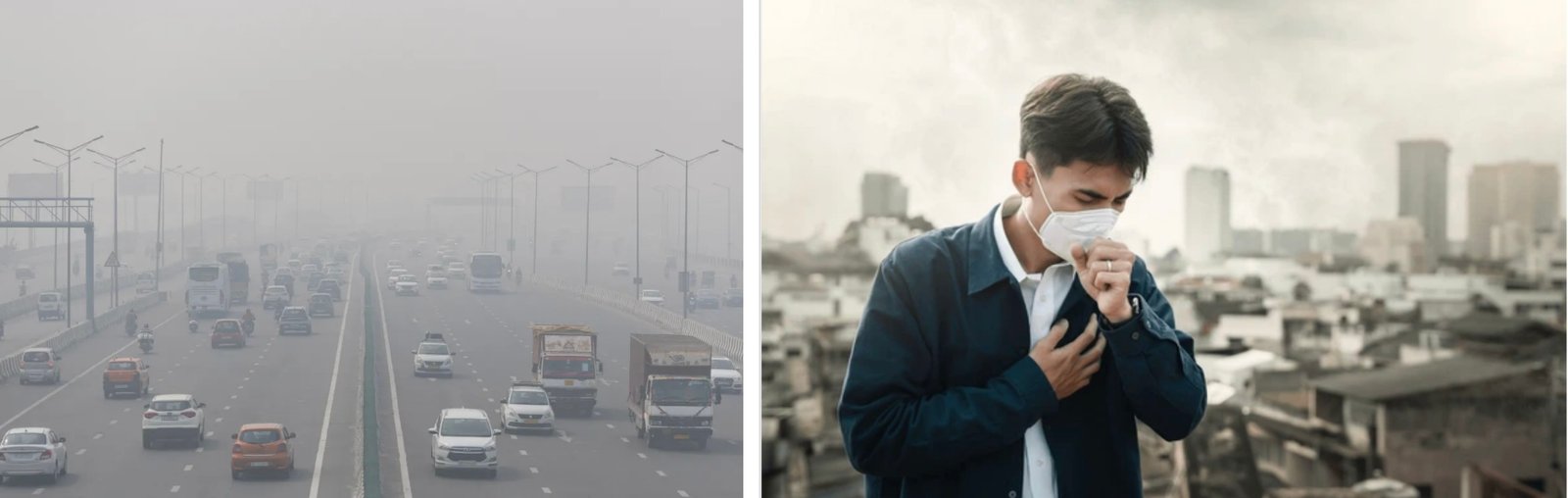
Air pollution refers to the presence of harmful substances in the air that can damage living organisms and the environment. These pollutants can originate from both natural and human activities. However, in urban areas, most pollution is caused by human activities such as transportation, industrial production, and energy generation.
The pollutants present in the air include gases and microscopic particles that remain suspended in the atmosphere. Some of the most harmful pollutants include:
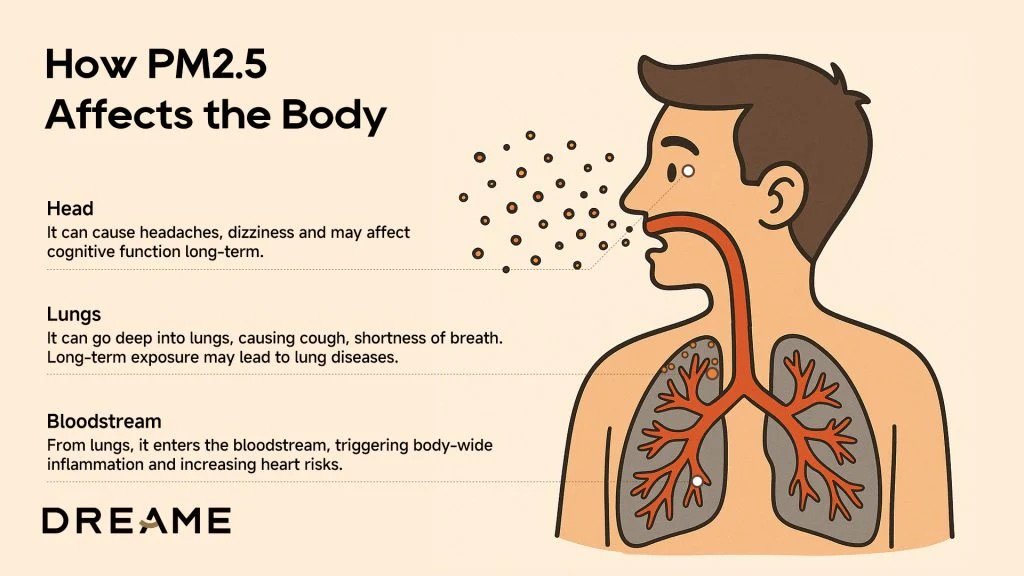
Among these pollutants, fine particulate matter (PM2.5) is considered particularly dangerous because its microscopic size allows it to penetrate deep into the lungs and even enter the bloodstream.
Air pollution can also be classified into two categories:
This occurs outside in the environment and is caused by vehicles, factories, construction activities, and burning of waste or agricultural residue.
This occurs inside homes and buildings due to cooking fuels, tobacco smoke, and poor ventilation. In rural areas, traditional cooking methods using biomass fuels can significantly contribute to indoor pollution.
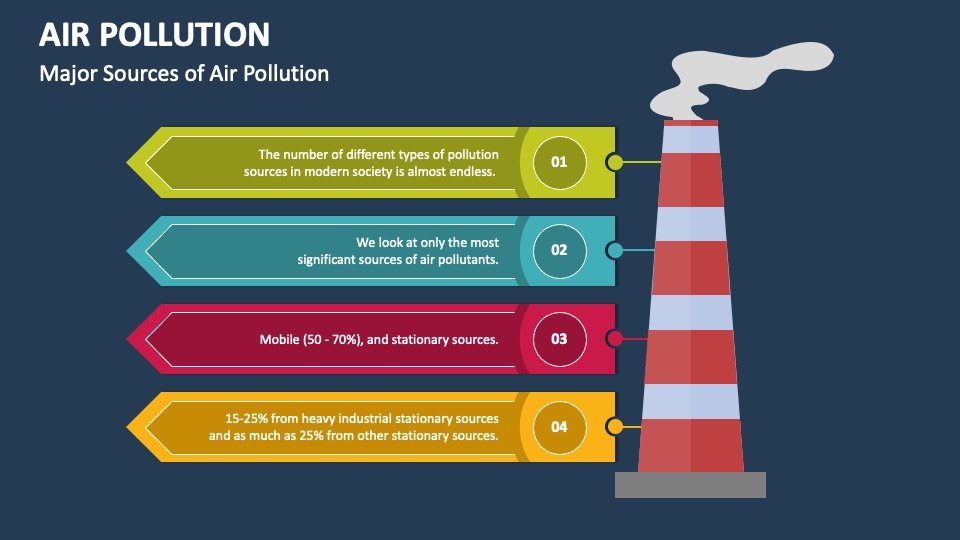
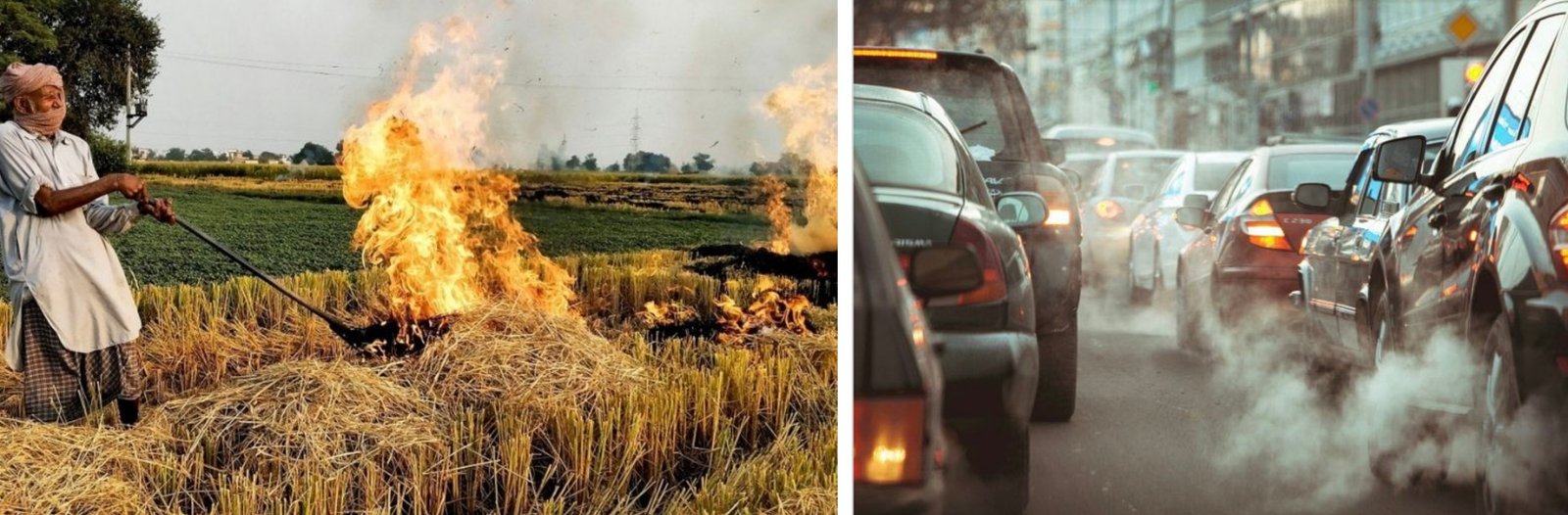
Air pollution in Indian cities results from a combination of several factors related to economic development, infrastructure challenges, and environmental management. One of the most significant causes is the rapid increase in motor vehicles. As cities expand and populations grow, more people rely on private cars and motorcycles for transportation. Vehicle emissions release large quantities of nitrogen oxides, carbon monoxide, and particulate matter into the atmosphere.
Industrial activity is another major contributor. Factories and power plants often burn coal and other fossil fuels to generate energy. These processes release sulfur dioxide, smoke, and other harmful gases that pollute the surrounding air.
Construction and urban development also contribute significantly to pollution. Large construction projects generate dust particles that remain suspended in the air. Poor management of construction sites and road dust further increases particulate pollution.
Seasonal factors also play an important role. In northern India, crop residue burning in agricultural fields during winter months releases massive amounts of smoke into the atmosphere. Combined with cooler weather and lower wind speeds, this smoke becomes trapped in the air over cities.
Other important contributors include:
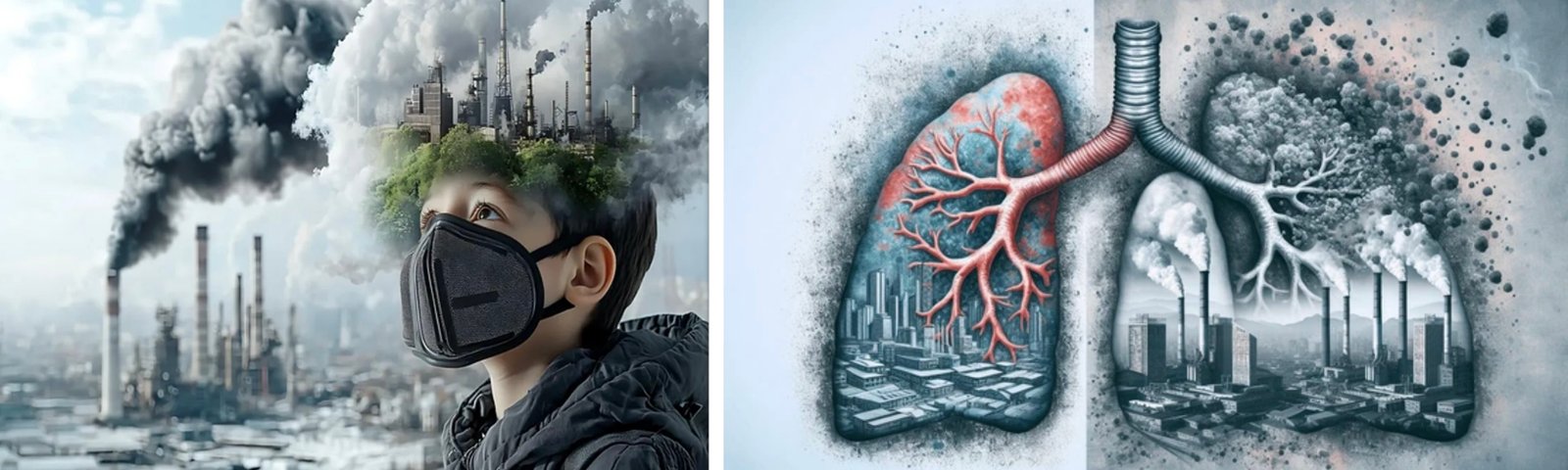
Air pollution has severe consequences for human health. Prolonged exposure to polluted air can damage the respiratory system, cardiovascular system, and other vital organs. According to medical research, air pollution is linked to millions of premature deaths worldwide each year.
Children and elderly individuals are particularly vulnerable because their immune systems are either still developing or already weakened. Long-term exposure to polluted air can lead to chronic diseases and reduce life expectancy.
Common health problems caused by air pollution include:
Short-term exposure to high pollution levels may also cause symptoms such as coughing, eye irritation, headaches, and breathing difficulties.
Beyond individual health effects, widespread pollution also places a heavy burden on healthcare systems and reduces overall workforce productivity.
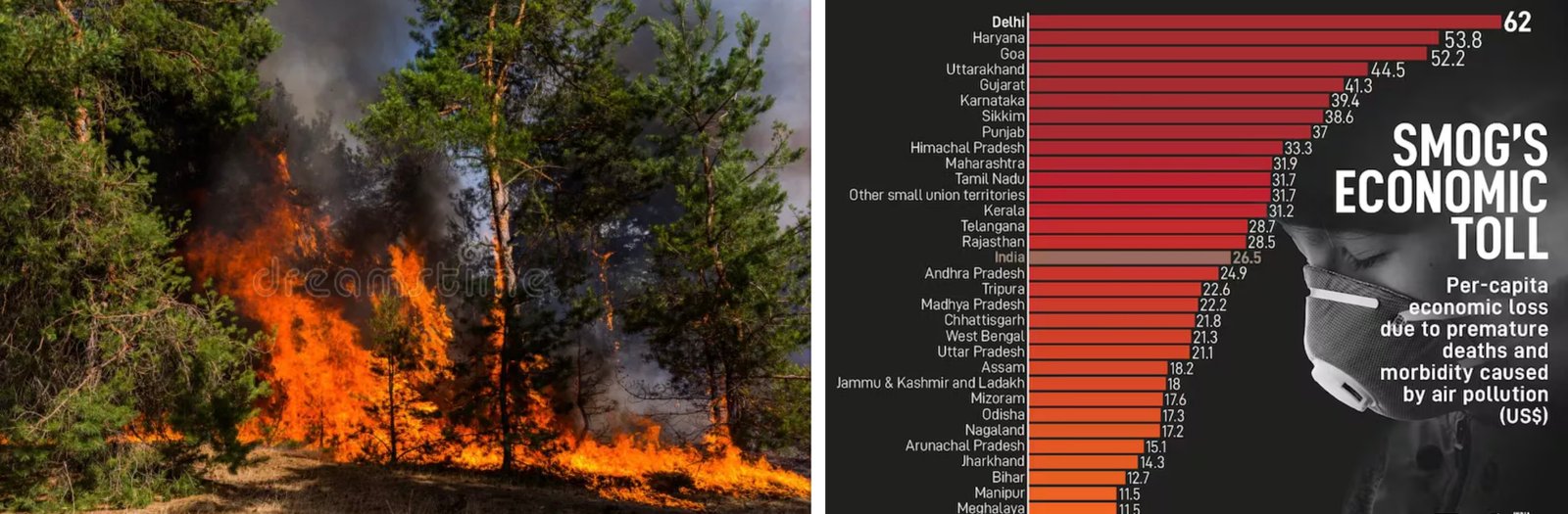
Air pollution does not only affect human health; it also harms the environment and the economy. Pollutants released into the atmosphere can damage forests, crops, and water bodies. Acid rain caused by sulfur dioxide and nitrogen oxides can harm soil quality and aquatic ecosystems.
Air pollution also contributes to climate change. Greenhouse gases such as carbon dioxide trap heat in the atmosphere, leading to rising global temperatures. Climate change further intensifies extreme weather events, affecting agriculture, water resources, and livelihoods.
From an economic perspective, pollution increases healthcare costs and reduces productivity. Workers suffering from respiratory illnesses may miss workdays or experience reduced efficiency. Governments must also spend significant resources on pollution control measures and healthcare infrastructure.
Environmental protection in India is supported by constitutional provisions. The Constitution recognizes the importance of environmental conservation and assigns responsibilities to both the government and citizens.
Two important constitutional provisions related to environmental protection are:
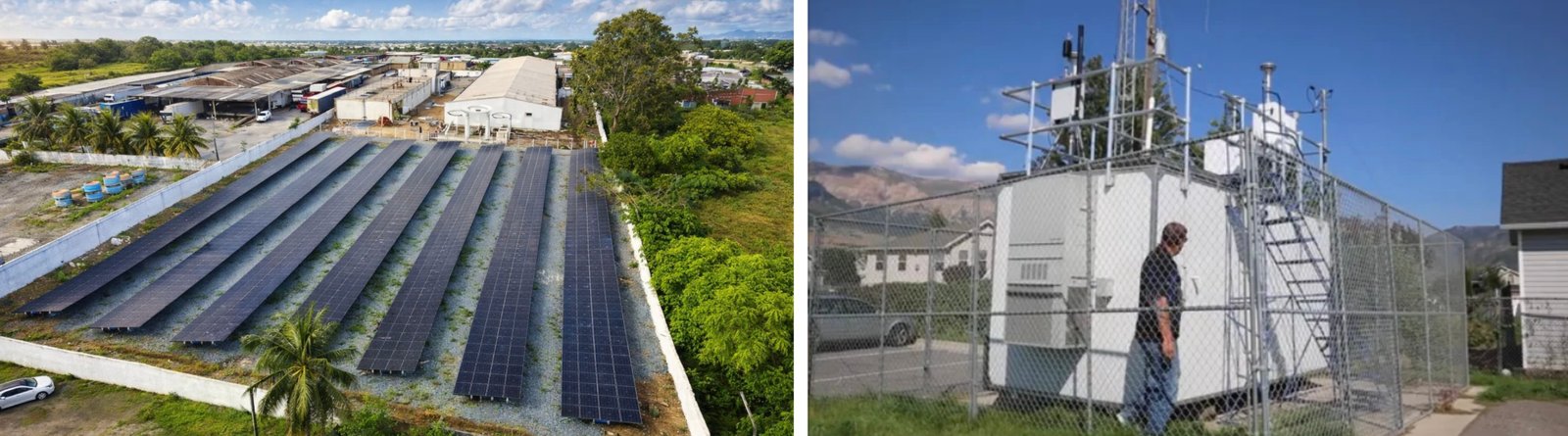
The government has introduced various policies to control air pollution, including emission standards for vehicles, promotion of cleaner fuels, and expansion of renewable energy sources. Environmental monitoring systems track pollution levels and inform policy decisions.
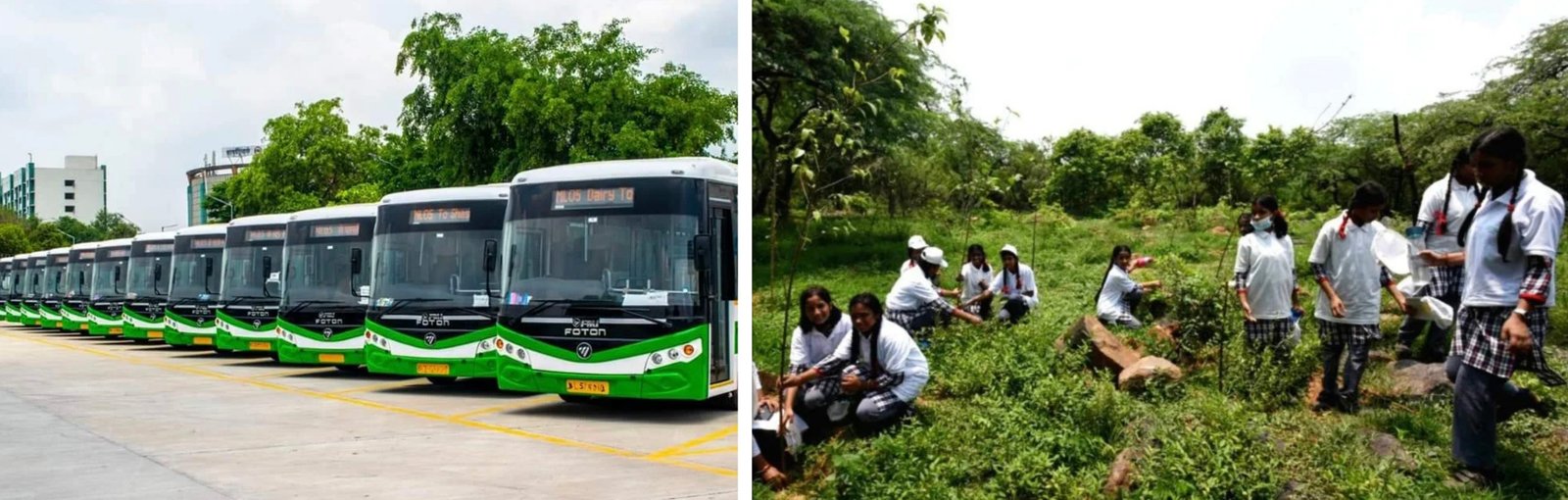
Reducing air pollution requires coordinated action by governments, industries, and citizens. Policies must focus on sustainable development while minimizing environmental damage.
Important solutions include improving public transportation systems to reduce dependence on private vehicles. Expanding metro networks, electric buses, and bicycle infrastructure can significantly reduce traffic-related pollution.
Industries must adopt cleaner technologies and stricter emission controls. Transitioning to renewable energy sources such as solar and wind power can reduce dependence on fossil fuels.
Urban planning can also help by increasing green spaces, improving waste management, and regulating construction activities.
Citizens can contribute by making environmentally responsible choices such as:
Air pollution is one of the most pressing challenges facing Indian cities today. Its causes are complex and interconnected, ranging from transportation and industrial activity to agricultural practices and urban development. The health, environmental, and economic consequences of pollution make it a critical issue requiring urgent attention.
The Constitution of India emphasizes the responsibility of both the state and citizens to protect the environment. Through effective policies, technological innovation, and public participation, it is possible to reduce pollution levels and create healthier urban environments.
Clean air is not a luxury; it is a fundamental necessity for life and well-being. Ensuring clean air for future generations requires collective action, responsible governance, and informed citizens who understand the importance of environmental protection.
Q1. Which Indian cities are most polluted?
Large metropolitan and industrial cities often face higher pollution levels.
Q2. Is air pollution only a winter problem?
No. Pollution exists year-round but worsens during winter.
Q3. Can masks protect from air pollution?
High-quality masks can reduce exposure but are not a permanent solution.