Hind Today News
Breaking | National | World
🗳️ How Elections Are Conducted in India
A Detailed Guide to India’s Democratic Election System
Introduction: Elections as the Heart of Indian Democracy 🇮🇳
India is the world’s largest democracy, with more than 900 million eligible voters participating in elections. The democratic system of the country depends on a transparent and fair election process through which citizens choose their representatives. Elections ensure that political power ultimately rests with the people rather than with a small group of individuals or institutions.
The ability of citizens to vote freely and elect leaders is a fundamental feature of democracy. In India, elections determine who forms the government at the central, state, and local levels. The process is designed to ensure fairness, equality, and transparency so that every citizen’s voice is counted.
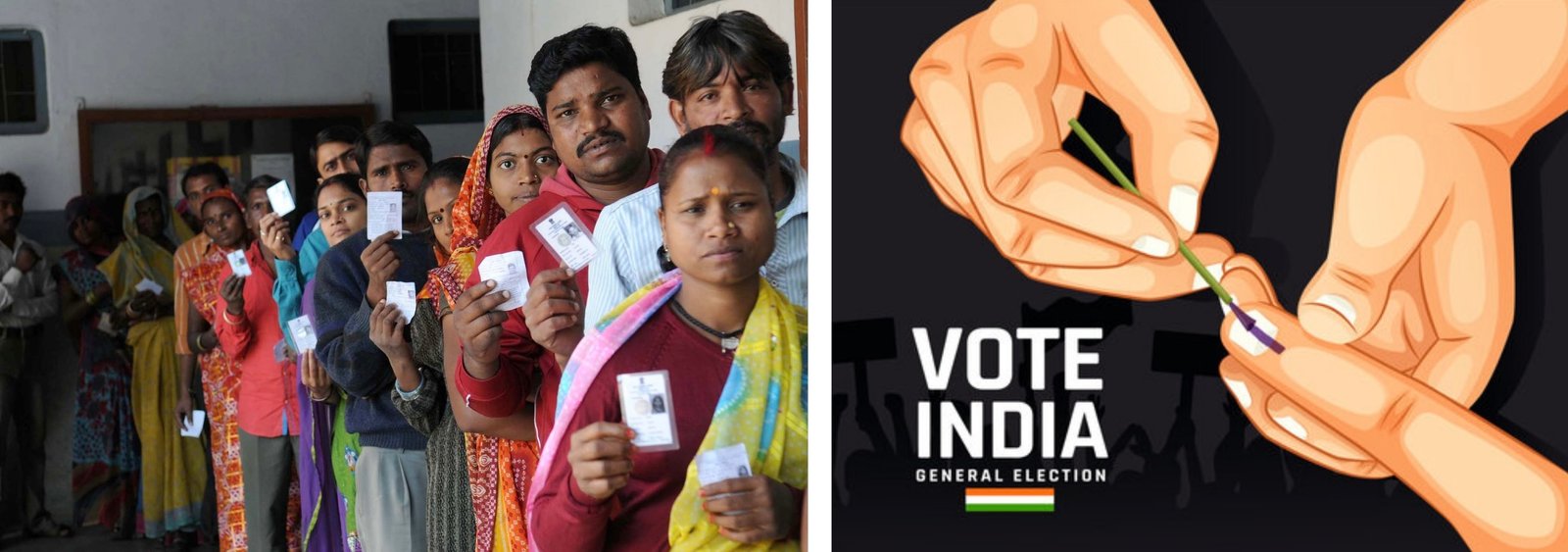
The importance of elections lies in the fact that they allow citizens to:
- Choose their representatives
- Hold governments accountable
- Participate in governance
- Influence national and local policies
🏛️ Constitutional Basis of Elections in India
The Indian Constitution provides the legal and institutional framework for conducting elections in the country. Elections are governed by Part XV of the Constitution (Articles 324 to 329). These provisions ensure that elections are conducted independently and fairly.
The most important constitutional provision is Article 324, which establishes the Election Commission of India (ECI). The Election Commission is an autonomous constitutional authority responsible for administering elections to Parliament, State Legislatures, and the offices of the President and Vice President.
The Constitution guarantees universal adult suffrage, which means every citizen above the age of 18 has the right to vote regardless of caste, religion, gender, language, or economic status. This principle ensures equality in political participation.
The constitutional framework ensures:
- Independent election administration
- Equal voting rights for citizens
- Free and fair electoral competition
- Protection from political interference
👤 Types of Elections in India
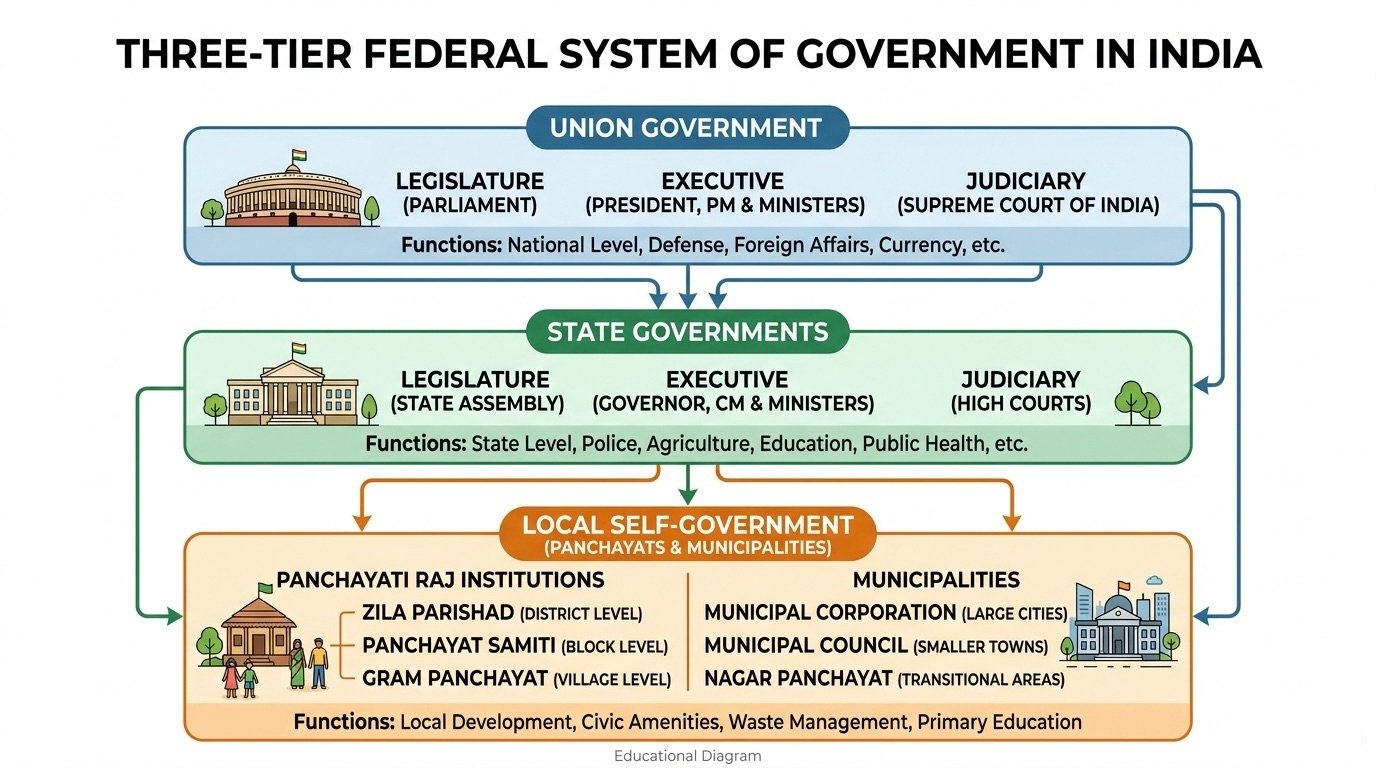
India conducts several types of elections because governance occurs at multiple levels of administration. Each type of election plays an important role in democratic representation.
Parliamentary Elections
Parliamentary elections determine the composition of the Lok Sabha, the lower house of Parliament. Members of Parliament (MPs) are elected from constituencies across the country. The party or coalition that wins the majority of seats forms the central government.
State Assembly Elections
Each state in India has its own Legislative Assembly. Citizens elect Members of Legislative Assembly (MLAs) who represent their constituencies. The party that secures the majority forms the state government.
Local Body Elections
Local governance is carried out through Panchayats and Municipalities. These elections allow citizens to elect representatives responsible for local development and administration.
Presidential and Vice-Presidential Elections
The President and Vice President are elected indirectly by an electoral college consisting of elected representatives from Parliament and state legislatures.
📝 The Role of the Election Commission of India
The Election Commission of India is responsible for organizing and supervising elections across the country. It functions independently from the government to ensure neutrality.
The Commission performs several critical functions such as:
- Preparing and updating electoral rolls
- Announcing election schedules
- Monitoring election campaigns
- Conducting polling and counting of votes
- Enforcing election rules
The Election Commission also implements the Model Code of Conduct, which ensures that political parties and candidates follow ethical guidelines during elections.
📢 Electoral Constituencies and Representation
India is divided into electoral constituencies so that each elected representative represents a specific geographical area. Constituencies are created based on population size to ensure fair representation.
For example:
- Each Lok Sabha constituency elects one Member of Parliament.
- Each State Assembly constituency elects one MLA.
The process of adjusting constituency boundaries based on population changes is known as delimitation. Delimitation ensures that representation remains balanced as populations grow or shift.
📜 Voter Registration and Electoral Rolls
Before citizens can vote, they must be registered in the electoral roll of their constituency. The electoral roll is the official list of eligible voters.
Citizens must fulfill certain conditions to be included:
- Must be an Indian citizen
- Must be at least 18 years old
- Must reside in the constituency
The Election Commission regularly updates electoral rolls to include new voters and remove duplicates or deceased individuals.
🧾 The Election Campaign Process
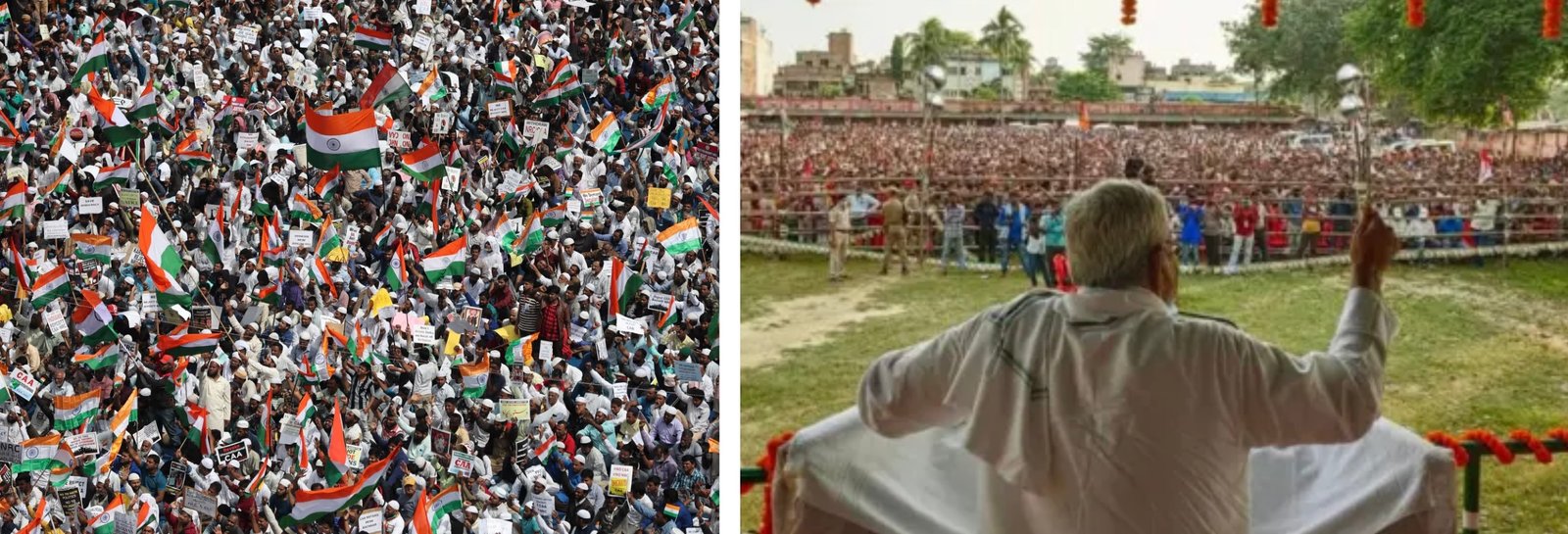
Election campaigns allow political parties and candidates to present their policies and ideas to voters. Campaigns typically involve public rallies, speeches, advertisements, and door-to-door outreach.
Candidates and parties must follow rules regarding:
- Campaign expenditure limits
- Ethical conduct
- Use of public resources
The Model Code of Conduct ensures that:
- Government machinery is not misused for political advantage
- Hate speech and bribery are prohibited
- Campaigns remain peaceful and fair
🗳️ Voting Process in India
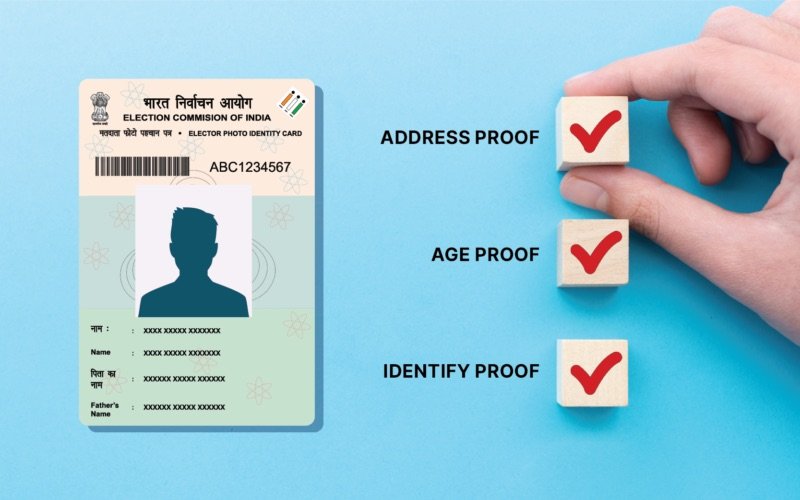
Voting takes place at designated polling stations. On election day, voters visit polling booths and verify their identity using voter ID or other approved documents.
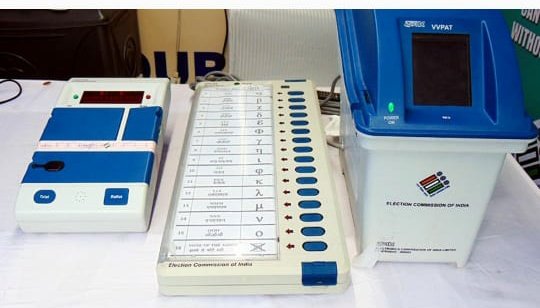
India uses Electronic Voting Machines (EVMs) to record votes. Voters press the button corresponding to their preferred candidate. The machine registers the vote electronically.
To increase transparency, VVPAT (Voter Verifiable Paper Audit Trail) machines allow voters to see a printed slip confirming their vote.
📣 Counting of Votes and Declaration of Results
After voting is completed, the EVMs are sealed and transported to counting centers. Counting usually begins on a designated day under strict security.
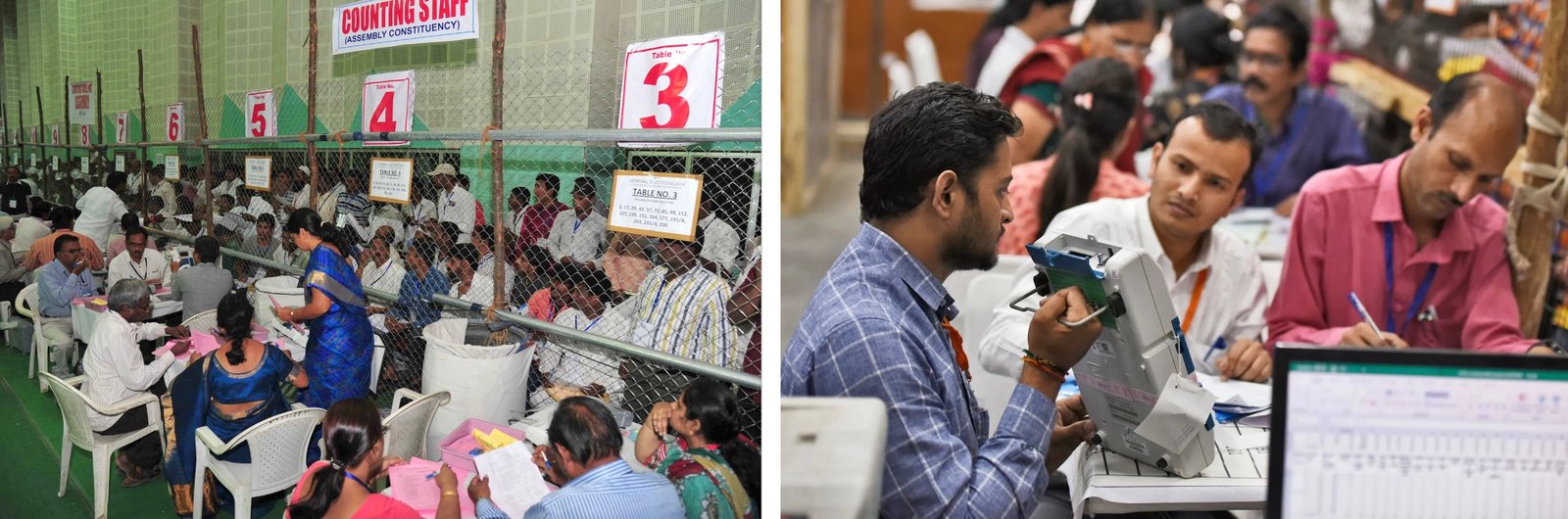
Election officials verify and tally the votes. Once counting is completed, the candidate who receives the highest number of votes is declared the winner of that constituency.
Results are then announced publicly and published by the Election Commission.
🔐 Importance of Free and Fair Elections
Free and fair elections are essential for maintaining public trust in democracy. Without transparent elections, citizens would lose confidence in the political system.
India has developed strong mechanisms to protect electoral integrity, including:
- Independent Election Commission
- Strict election laws
- Observers monitoring elections
- Electronic voting technology
These measures help ensure that elections reflect the genuine will of the people.
Conclusion: The Power of the Vote
Elections are the foundation of India’s democratic system. They allow citizens to participate in governance, choose their leaders, and influence national policies. The constitutional framework, combined with the independent Election Commission, ensures that elections are conducted fairly and transparently.
Every citizen’s vote carries equal weight, making participation in elections both a right and a responsibility. When citizens vote thoughtfully and responsibly, they strengthen democracy and contribute to the progress of the nation.
In a country as diverse and populous as India, the successful conduct of elections stands as one of the greatest achievements of democratic governance.
📌 FAQs
Is voting compulsory in India?
No, voting is voluntary.
Can elections be postponed?
Yes, in exceptional situations like natural disasters.
Are EVMs safe?
Yes. Multiple security layers and VVPAT ensure reliability.