Hind Today News
Breaking | National | World
🇮🇳 Major Government Schemes Every Indian Should Know
Understanding Welfare Programs and Their Impact on Citizens
1️⃣ Introduction: Why Government Schemes Matter for Citizens
Government schemes play a crucial role in improving the lives of millions of people across India. These programs are designed to address social, economic, and developmental challenges by providing financial support, public services, and opportunities for citizens. While many people hear about government schemes through news or political speeches, a large portion of the population does not fully understand how these schemes work or how they benefit ordinary citizens.
India is a country with vast diversity and significant differences in income levels, education access, healthcare availability, and employment opportunities. To reduce these inequalities and promote inclusive growth, the government launches welfare schemes targeted at different sections of society such as farmers, women, students, workers, entrepreneurs, and economically weaker families.
These schemes are funded through public resources and implemented by various ministries and state governments. Their objectives generally include improving living standards, increasing economic opportunities, ensuring social security, and providing access to essential services like healthcare, housing, and education.
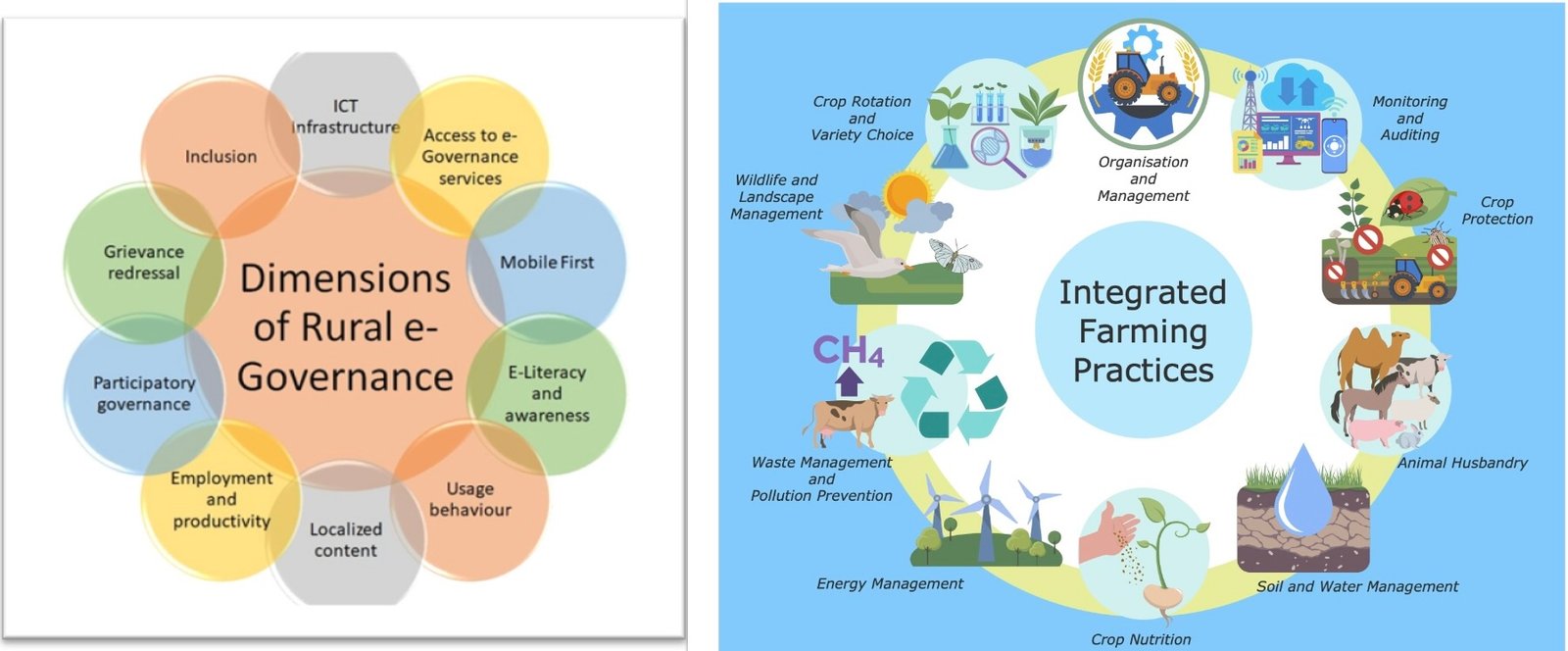
Some of the key goals of government welfare schemes include:
- Reducing poverty and inequality
- Supporting vulnerable communities
- Improving healthcare and education access
- Encouraging entrepreneurship and employment
- Promoting rural and urban development
2️⃣ Constitutional Foundation of Government Welfare Schemes
The existence of government welfare schemes in India is deeply connected to the values and principles established in the Constitution of India. The Constitution not only establishes political democracy but also aims to create social and economic justice for all citizens.
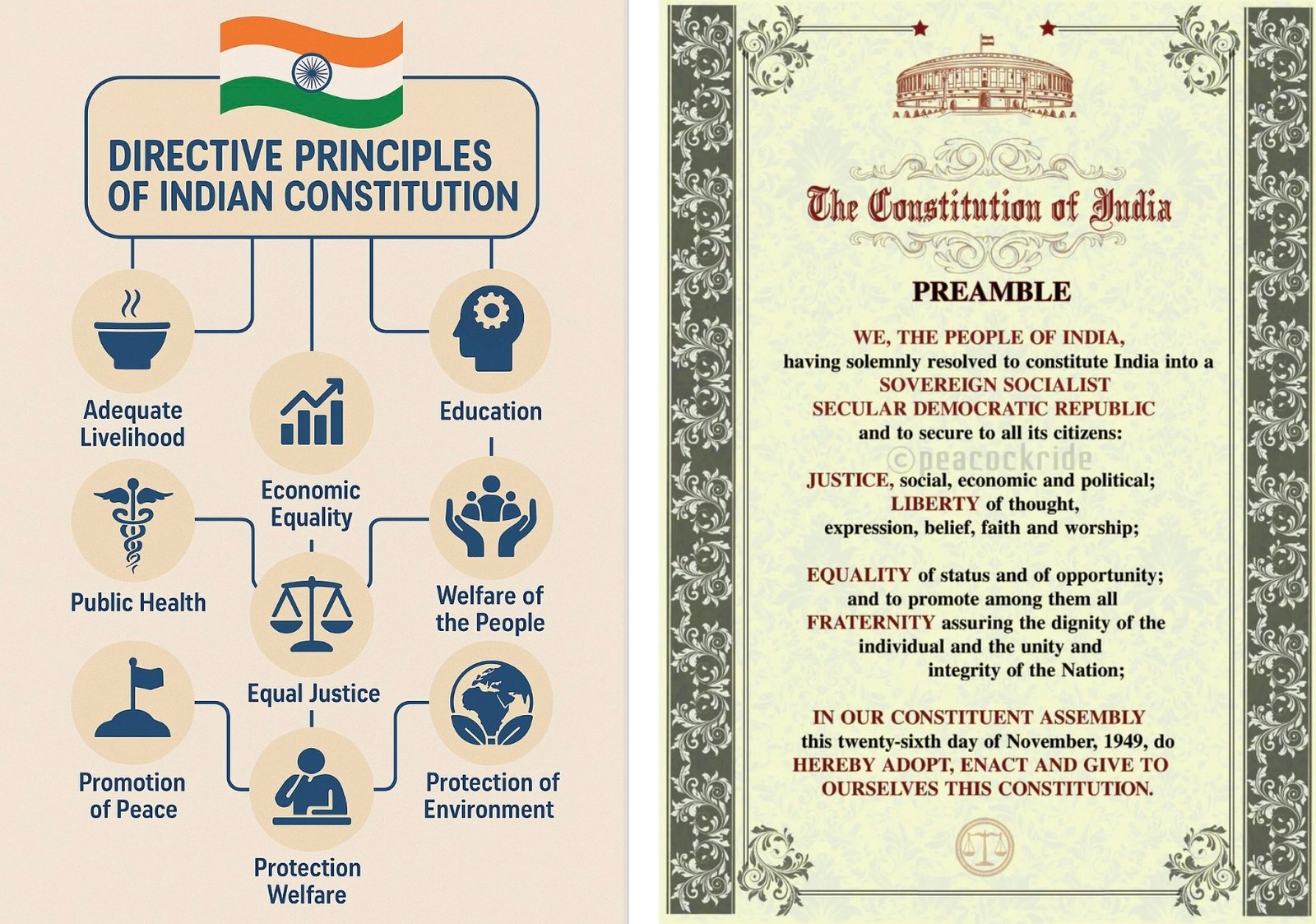
The Preamble of the Constitution promises justice, liberty, equality, and fraternity. These ideals guide the policies and programs of the government. In particular, the concept of a welfare state is reflected in the Directive Principles of State Policy (Part IV of the Constitution).
Directive Principles are guidelines that encourage the government to promote social and economic welfare. Though they are not enforceable in courts, they strongly influence policymaking and the creation of welfare programs.
Some important constitutional directives include:
- Ensuring adequate livelihood for all citizens
- Promoting equal pay for equal work
- Protecting children and workers from exploitation
- Improving public health
- Providing education and social security
3️⃣ Financial Inclusion Schemes
Financial inclusion refers to providing access to banking and financial services to people who previously had little or no access to formal financial systems. In a developing economy like India, millions of people historically depended on informal moneylenders or cash-based transactions. Government initiatives aim to bring these individuals into the formal banking system.
One of the most significant financial inclusion initiatives is Pradhan Mantri Jan Dhan Yojana (PMJDY). This scheme encourages citizens to open bank accounts with minimal requirements and zero balance. Having a bank account allows individuals to receive government subsidies directly, save money securely, and access credit facilities.
Other important financial inclusion programs include:
- Direct Benefit Transfer (DBT) system
- Digital payment initiatives
- Small savings schemes
4️⃣ Healthcare and Social Security Schemes
Healthcare is one of the most important sectors where government schemes play a transformative role. Medical expenses can push families into financial distress, especially in rural or low-income communities. Government health schemes aim to provide affordable or free medical treatment to vulnerable populations.
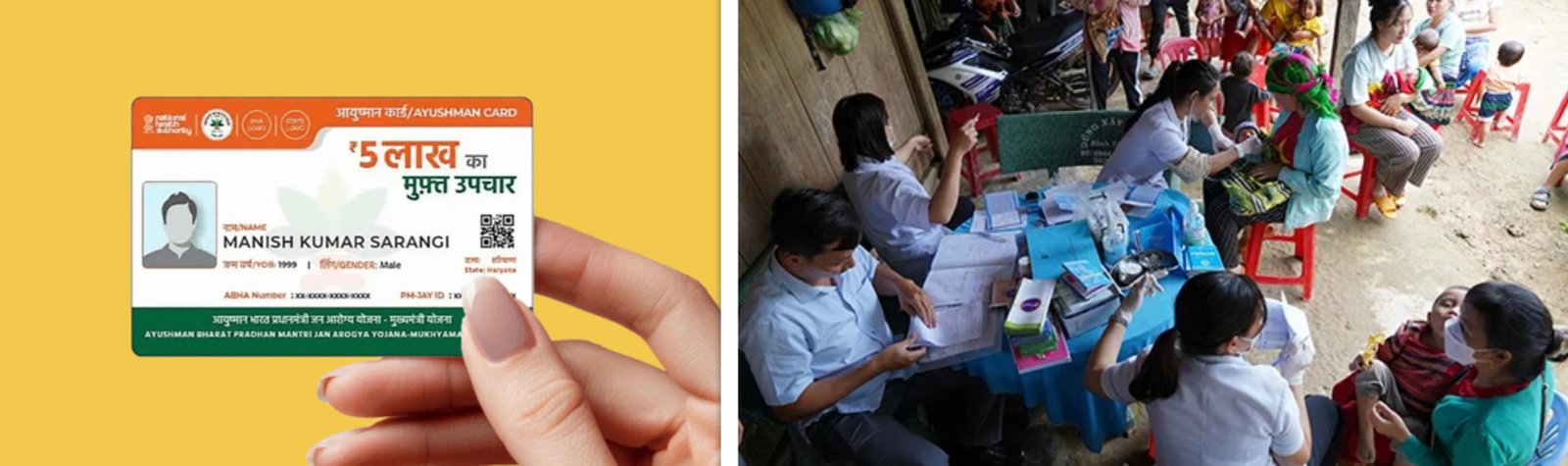
One major healthcare initiative is Ayushman Bharat – Pradhan Mantri Jan Arogya Yojana (PMJAY). This scheme provides health insurance coverage to economically weaker families, enabling them to access hospital treatment without facing severe financial burdens.
Other health-related government initiatives focus on:
- Improving rural healthcare infrastructure
- Providing affordable medicines
- Expanding vaccination programs
- Strengthening public hospitals
In addition to healthcare, social security schemes are designed to support elderly citizens, widows, and disabled individuals who may not have stable sources of income.
5️⃣ Agricultural Support Schemes
Agriculture remains one of the most important sectors in India, employing a significant portion of the population. However, farmers often face challenges such as unpredictable weather, fluctuating market prices, and high input costs. Government schemes aim to provide financial and institutional support to farmers.
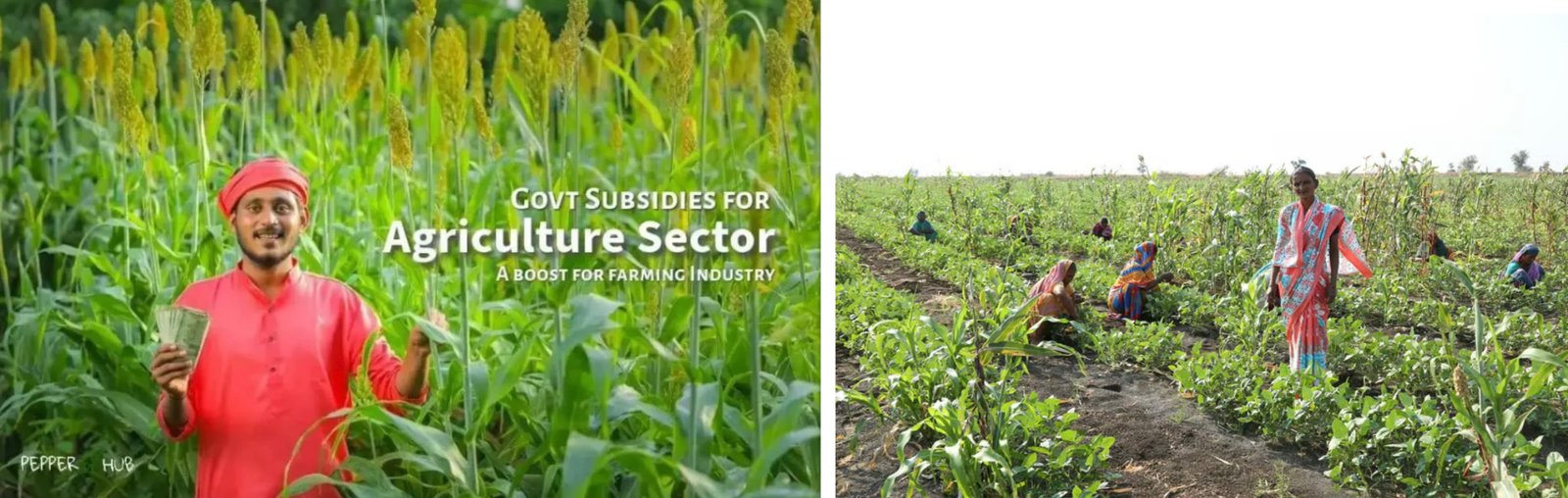
Programs designed for agricultural development focus on:
- Direct income support for farmers
- Crop insurance
- Irrigation infrastructure
- Access to agricultural credit
These initiatives aim to improve farm productivity, stabilize farmer incomes, and encourage sustainable agricultural practices.
For example, schemes providing financial assistance help farmers manage production costs and maintain economic stability during difficult seasons.
6️⃣ Housing and Infrastructure Schemes
Housing is a fundamental human need, and the government has launched several initiatives to improve housing access for economically weaker sections. These programs aim to ensure that families living in poor conditions can obtain safe and affordable homes.
Government housing initiatives focus on providing financial assistance for home construction and promoting urban and rural housing development. In addition to housing, infrastructure schemes improve connectivity through roads, electricity, and sanitation facilities.
Such programs contribute to overall development by improving living standards and enabling economic activity in rural and urban areas.
7️⃣ Education and Skill Development Schemes
Education plays a crucial role in national development. Government initiatives in this sector focus on expanding access to schooling, improving quality of education, and promoting skill development among youth.
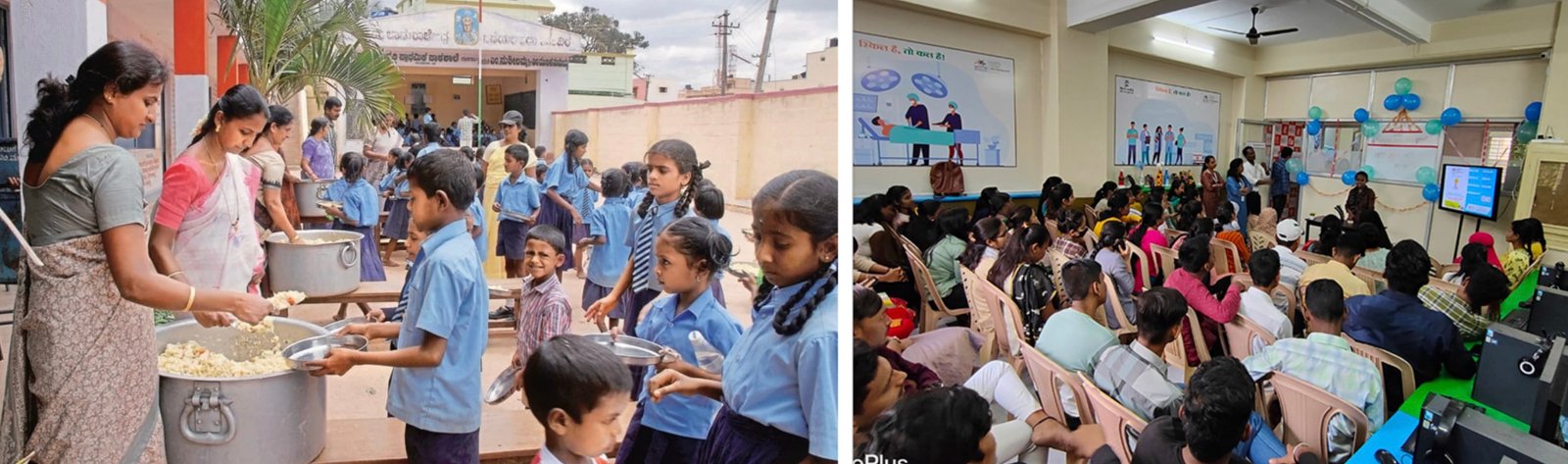
Educational schemes may include:
- Scholarships for students from disadvantaged communities
- Mid-day meal programs encouraging school attendance
- Digital learning initiatives
- Skill development training for employment
These programs aim to create a skilled workforce and ensure that economic growth benefits future generations.
8️⃣ Employment and Entrepreneurship Programs
Another key area where government schemes play a vital role is employment generation and entrepreneurship promotion. Programs designed to encourage small businesses, startups, and self-employment help stimulate economic activity and job creation.
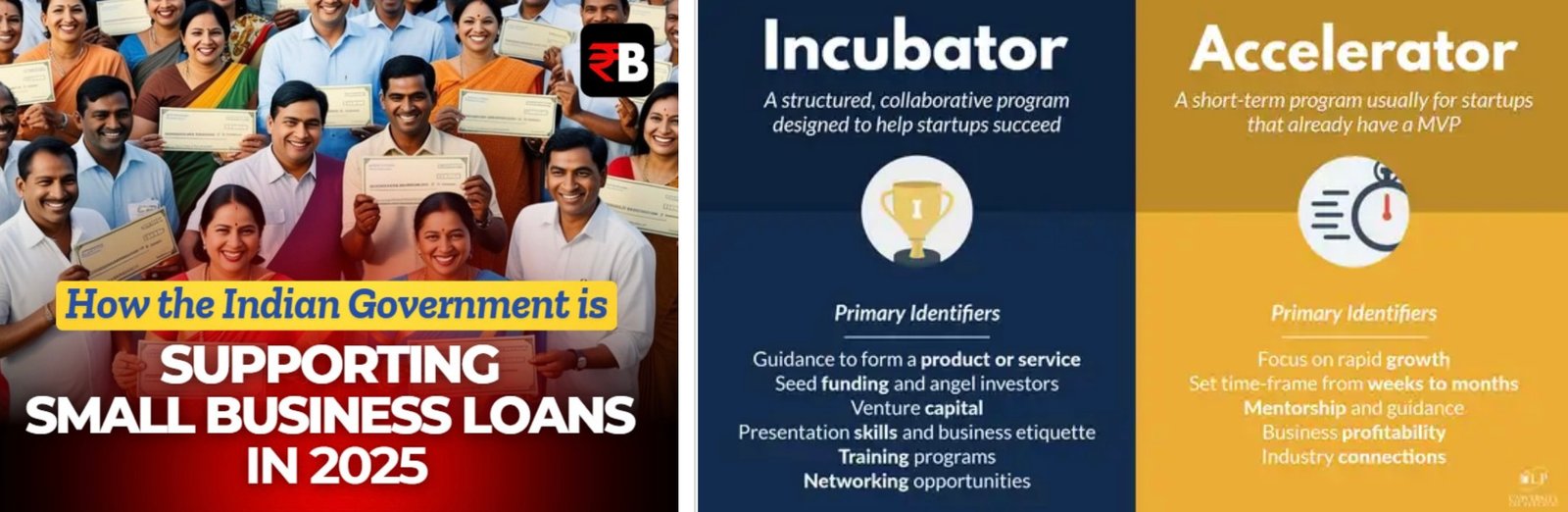
These initiatives often provide:
- Financial support for entrepreneurs
- Training and mentoring
- Access to credit
- Support for small and medium enterprises
Encouraging entrepreneurship helps reduce unemployment and promotes innovation within the economy.
9️⃣ Importance of Awareness Among Citizens
Despite the existence of numerous government schemes, many citizens remain unaware of the benefits available to them. Lack of information, bureaucratic complexity, and limited outreach can prevent people from accessing these programs.
Increasing awareness about government schemes is essential for ensuring that welfare benefits reach the intended beneficiaries. Citizens can obtain information about schemes through official government portals, local administration offices, and public awareness campaigns.
Understanding available welfare programs empowers citizens to take advantage of opportunities designed to improve their lives.
Conclusion: Welfare Schemes and the Vision of a Welfare State
Government schemes represent the practical implementation of constitutional ideals aimed at building a more equitable and inclusive society. By addressing challenges such as poverty, healthcare access, financial exclusion, and unemployment, these programs contribute to national development and social justice.
The success of welfare initiatives depends not only on government policies but also on public awareness and participation. When citizens understand the benefits available to them and engage with these programs responsibly, the impact of welfare policies becomes stronger and more meaningful.
In a democratic society like India, government schemes serve as bridges between constitutional values and everyday life. They transform principles of justice, equality, and welfare into tangible benefits that improve the lives of millions of citizens
📌 FAQs
Are government schemes free?
Most are subsidized or fully free for eligible beneficiaries.
Can one person apply for multiple schemes?
Yes, if eligibility conditions are met.
How are benefits transferred?
Mostly through Direct Benefit Transfer (DBT).