Hind Today News
Breaking | National | World
🇮🇳 INDIA: A CIVILIZATION OF DIVERSITY, HERITAGE, AND GLORY
Culture, People, Languages, Festivals, and the Timeless Beauty of Bharat
THE IDEA OF INDIA
🇮🇳 India: Not Just a Nation, but a Civilization
India is not merely a geographical entity marked by borders on a map; it is a civilization that has evolved continuously for thousands of years, absorbing, adapting, and transforming influences from across time and space. Unlike many modern nations that emerged through political agreements or colonial divisions, India’s identity is deeply rooted in a shared cultural consciousness that predates the concept of the modern nation-state itself.
The idea of India is built upon continuity. From the earliest human settlements to the rise of advanced urban civilizations, from ancient philosophical traditions to modern democratic governance, India has demonstrated an extraordinary ability to preserve its essence while evolving with time. This continuity is reflected in everyday life, where ancient customs coexist with modern technology, and traditional values shape contemporary aspirations.
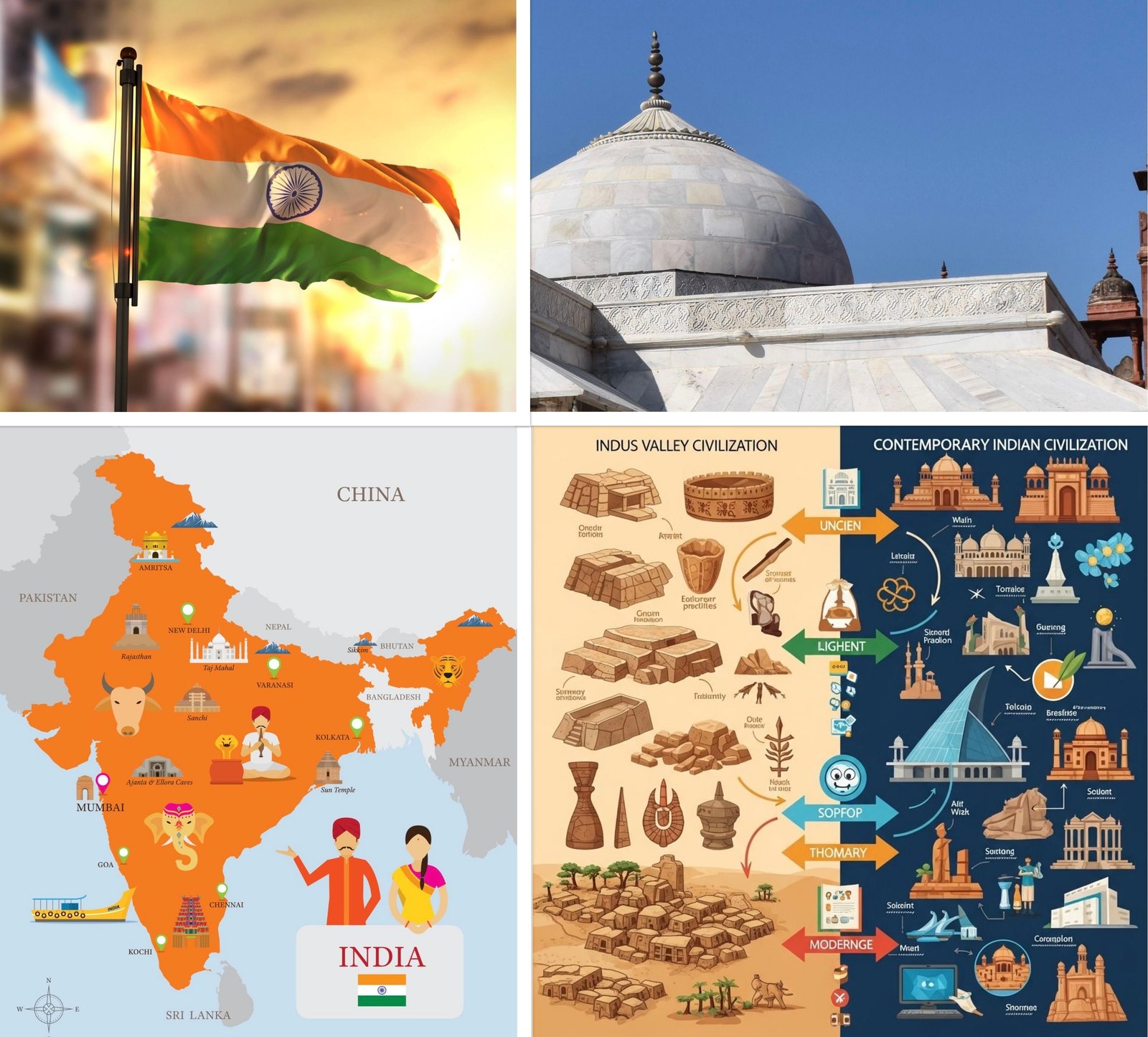
India is often described as a “subcontinent” rather than just a country because of its vast size, diversity, and complexity. It contains within itself multiple climates, cultures, languages, and traditions, each with its own distinct identity. Yet, despite these differences, there exists a unifying thread—a sense of belonging to a shared heritage and collective destiny.
This unity is not forced; it emerges naturally from shared experiences, values, and cultural exchanges. Whether it is the reverence for nature, respect for elders, importance of family, or celebration of festivals, certain core values bind Indians together across regions and communities. This is why India is often celebrated as a living example of “Unity in Diversity.”
🏛️ The Historical Continuity of India
To understand India, one must look at its long and layered history, which is not a series of disconnected events but a continuous process of cultural development.
The earliest known phase of Indian civilization is the Indus Valley Civilization, which flourished around 2500 BCE. This civilization was remarkable for its advanced urban planning, sophisticated drainage systems, and organized trade networks. Cities like Mohenjo-Daro and Harappa demonstrate that India was already highly developed at a time when many other parts of the world were still in early stages of societal organization.
Following this period, India entered the Vedic age, which laid the foundations of its philosophical and spiritual traditions. The composition of sacred texts, development of social structures, and emergence of early political systems shaped the intellectual framework of Indian society.
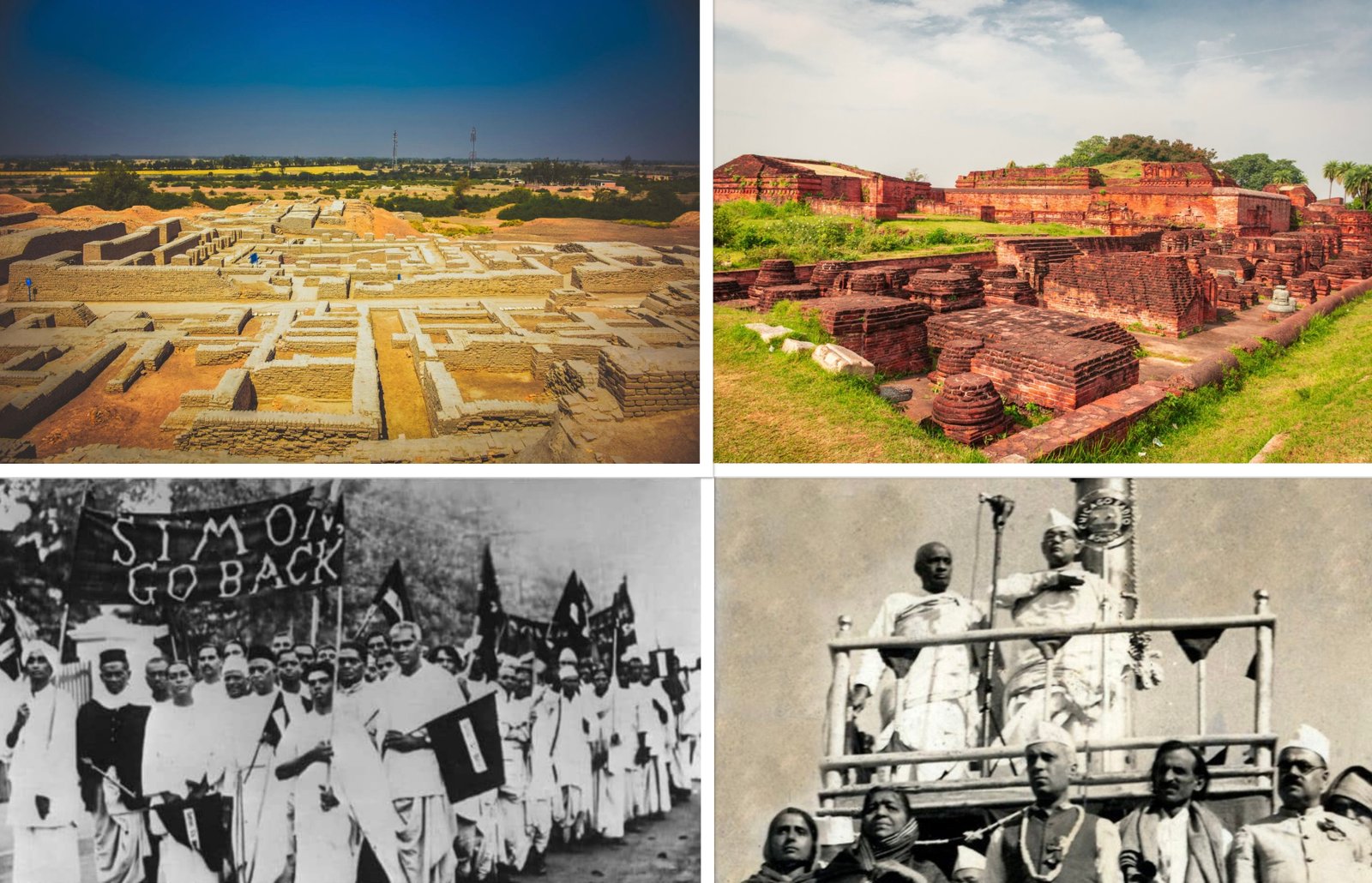
As centuries passed, India became a center of knowledge and learning. Universities such as Nalanda attracted scholars from across the world, contributing to advancements in mathematics, astronomy, medicine, and philosophy. The concept of zero, the decimal system, and significant astronomical discoveries originated in India and later influenced global scientific progress.
During the Mauryan and Gupta periods, India experienced political unity and cultural flourishing. Emperor Ashoka, in particular, is remembered for promoting peace, tolerance, and ethical governance after witnessing the horrors of war. His teachings emphasized compassion and non-violence, values that continue to influence Indian thought.
The medieval period brought new cultural influences through interactions with Central Asian and Persian traditions. This era saw the development of unique architectural styles, music, and literature that blended different cultural elements into a harmonious whole.
In the modern period, India faced colonial rule, which led to economic exploitation and social challenges. However, it also gave rise to a powerful freedom movement led by visionary leaders such as Mahatma Gandhi, who advocated non-violence and truth, and Jawaharlal Nehru, who envisioned a modern, democratic India.
CULTURAL RICHNESS OF INDIA
🎭 Culture as the Soul of the Nation
Culture in India is not confined to museums or textbooks; it is a living, breathing aspect of everyday life. It manifests in the way people speak, dress, eat, celebrate, and interact with each other. Indian culture is deeply rooted in tradition, yet it remains dynamic and adaptable.
One of the most striking features of Indian culture is its diversity. Each region of India has developed its own unique cultural identity influenced by geography, history, and social interactions. For instance, the culture of southern India, with its classical dance forms and temple architecture, differs significantly from the culture of northern India, known for its vibrant festivals and historical monuments. Similarly, the northeastern states have their own distinct traditions, languages, and lifestyles.
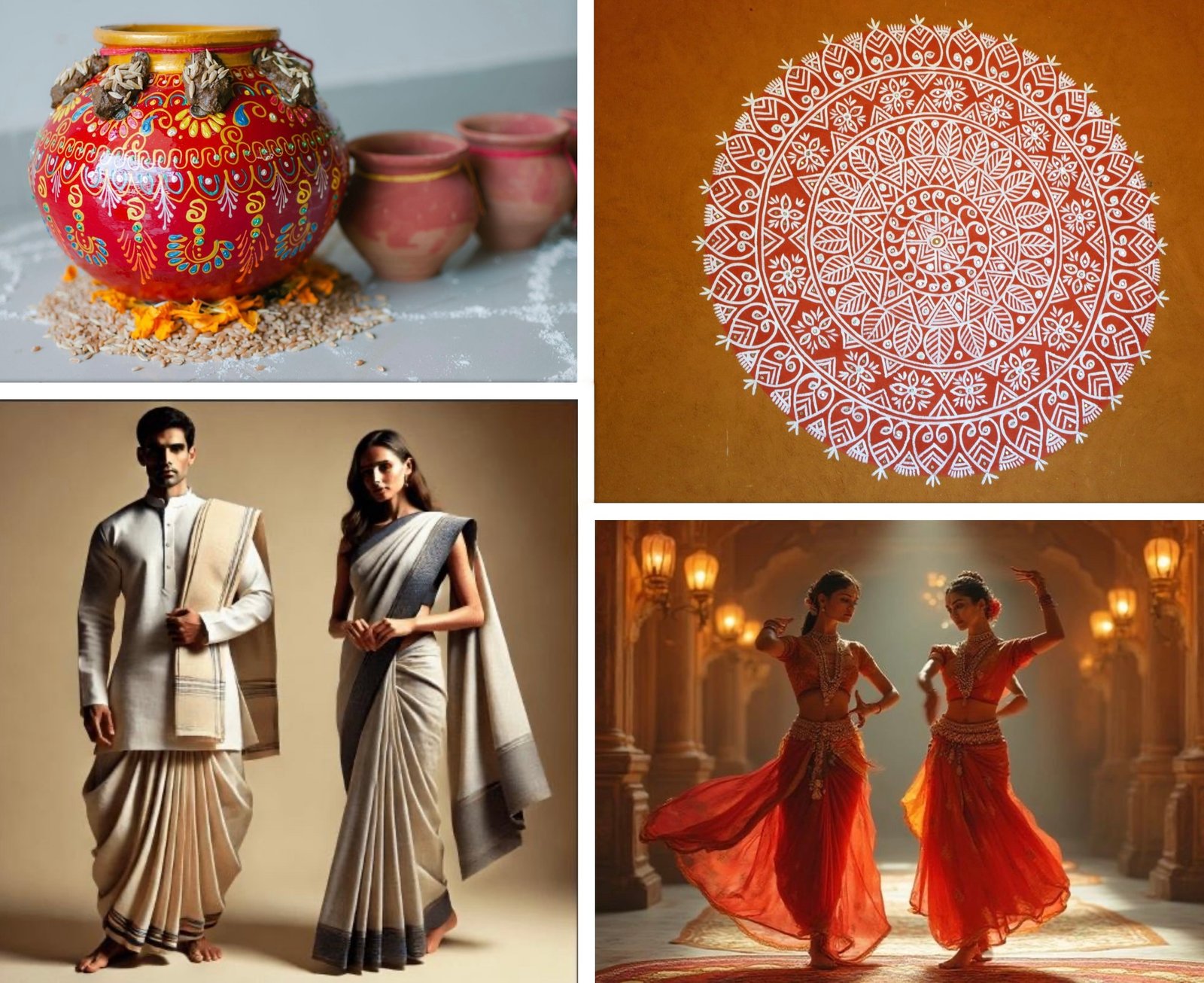
One of the most striking features of Indian culture is its diversity. Each region of India has developed its own unique cultural identity influenced by geography, history, and social interactions. For instance, the culture of southern India, with its classical dance forms and temple architecture, differs significantly from the culture of northern India, known for its vibrant festivals and historical monuments. Similarly, the northeastern states have their own distinct traditions, languages, and lifestyles.
Indian culture also places a strong emphasis on spirituality and philosophical inquiry. Questions about life, existence, and morality have been explored through various religious and philosophical traditions. This intellectual depth adds another dimension to India’s cultural richness.
🗣️ Linguistic Diversity: The Voice of India
Language is one of the most powerful expressions of identity, and India’s linguistic diversity is unparalleled. The country recognizes 22 official languages, but in reality, hundreds of languages and dialects are spoken across different regions.
Hindi and English serve as widely used languages for communication at the national level, but regional languages such as Tamil, Bengali, Telugu, Marathi, Gujarati, Punjabi, and Malayalam have their own rich literary traditions and cultural significance.
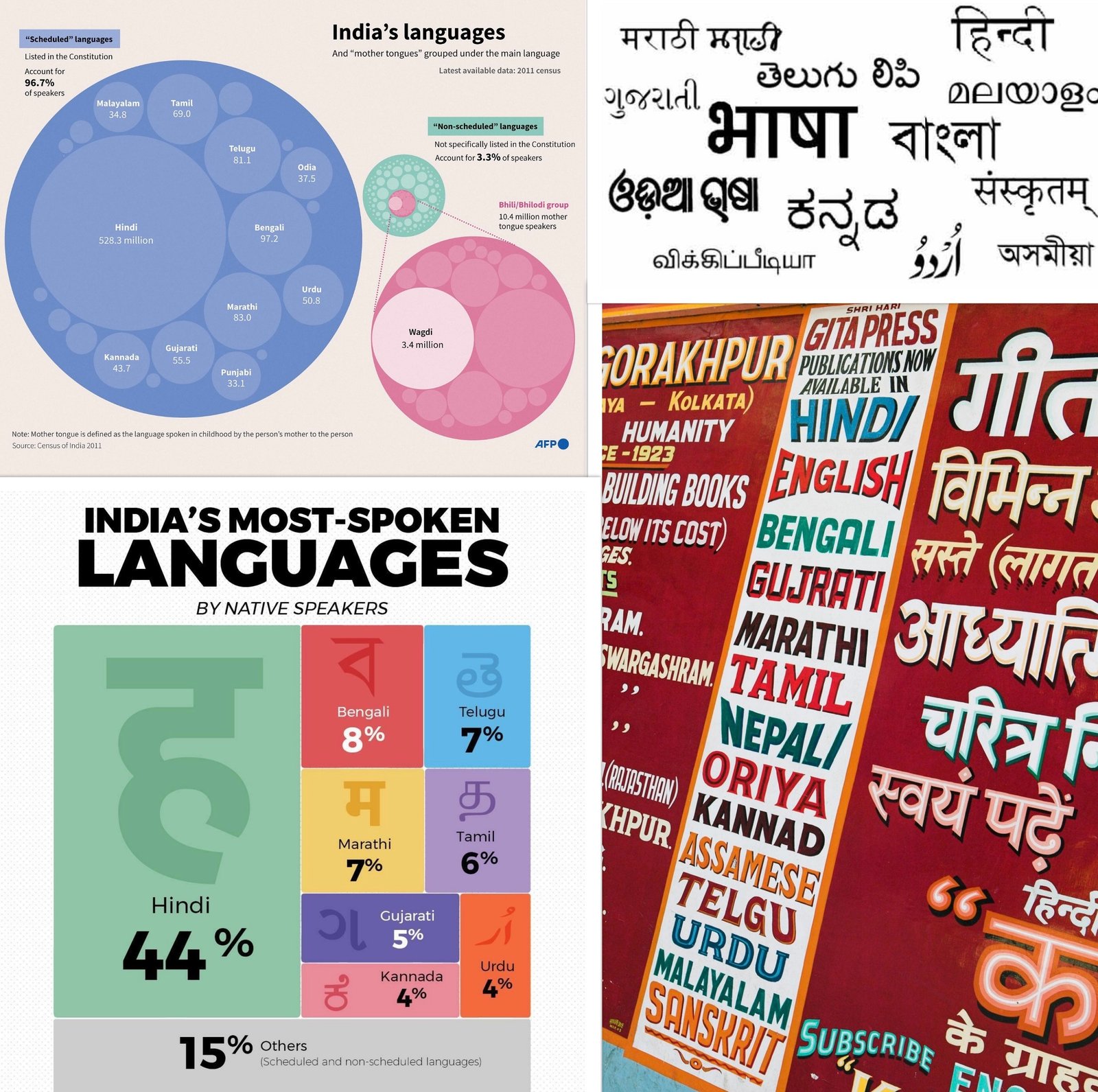
Each language carries with it a unique worldview, shaped by history, environment, and cultural practices. Literature, poetry, and folklore in different languages reflect the experiences and aspirations of the people who speak them.
The coexistence of multiple languages in India is not a source of division but a reflection of its inclusive nature. People often grow up speaking more than one language, adapting to different linguistic contexts with ease.
🧑🤝🧑 The People of India: Diversity in Humanity
The people of India are as diverse as the land they inhabit. They belong to different ethnic groups, follow different religions, speak different languages, and practice different traditions. Yet, there is a shared sense of belonging that connects them.
Indian society is characterized by strong family structures, where relationships are valued and maintained across generations. Social bonds extend beyond immediate families to include extended relatives and community members.
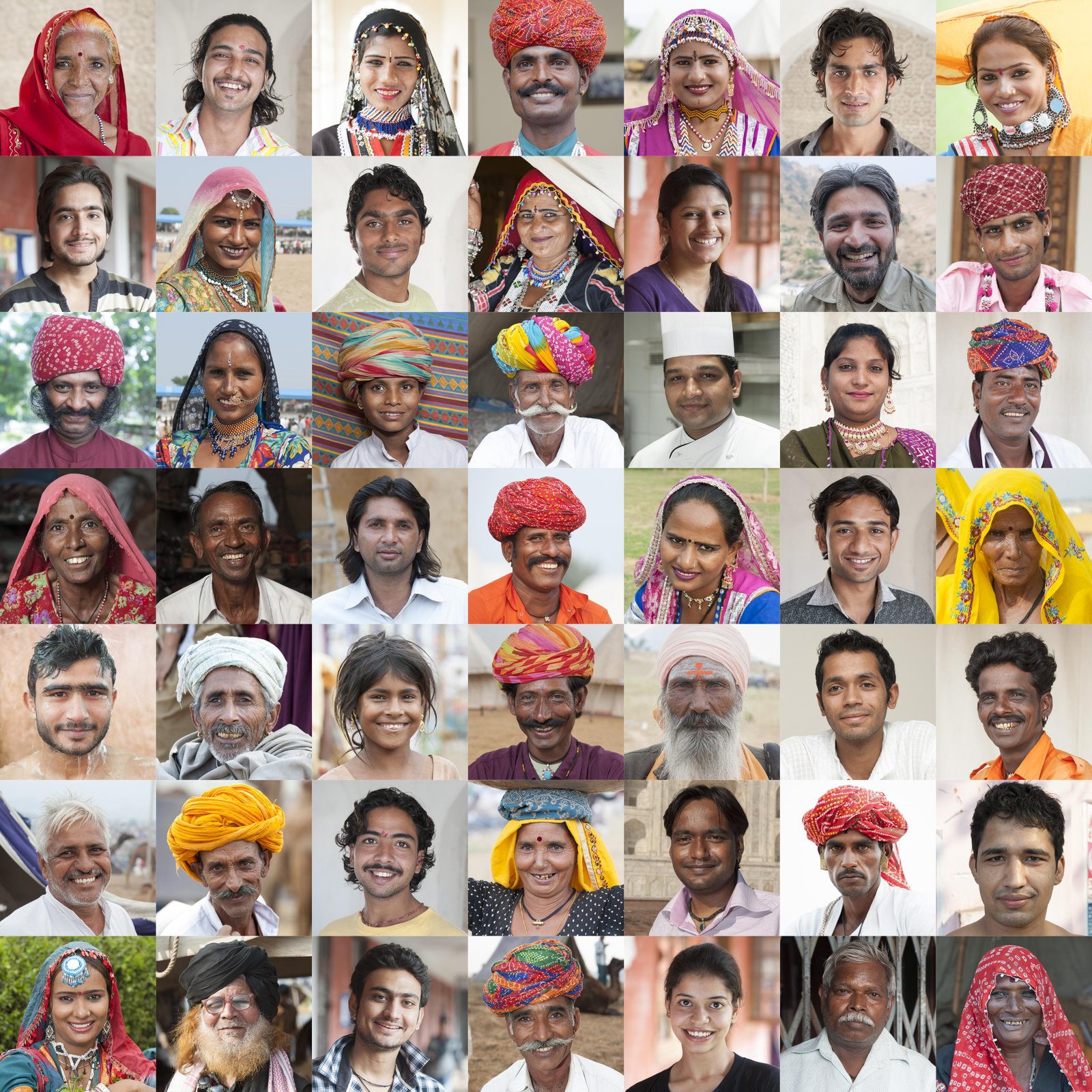
Hospitality is an important aspect of Indian culture. The phrase “Atithi Devo Bhava,” which means “the guest is like God,” reflects the importance placed on welcoming and respecting visitors.
In rural areas, life is often centered around agriculture and community activities, while urban areas are characterized by fast-paced lifestyles and modern professions. Despite these differences, the values of cooperation, resilience, and adaptability remain common across society.
🎉 Festivals: Celebrations of Life and Unity
Festivals in India are not merely occasions for celebration; they are expressions of cultural identity, religious beliefs, and social unity. They bring people together, strengthen relationships, and create a sense of joy and belonging.
Diwali, the festival of lights, symbolizes the victory of light over darkness and good over evil. Homes are illuminated with lamps, and families come together to celebrate with sweets and prayers.
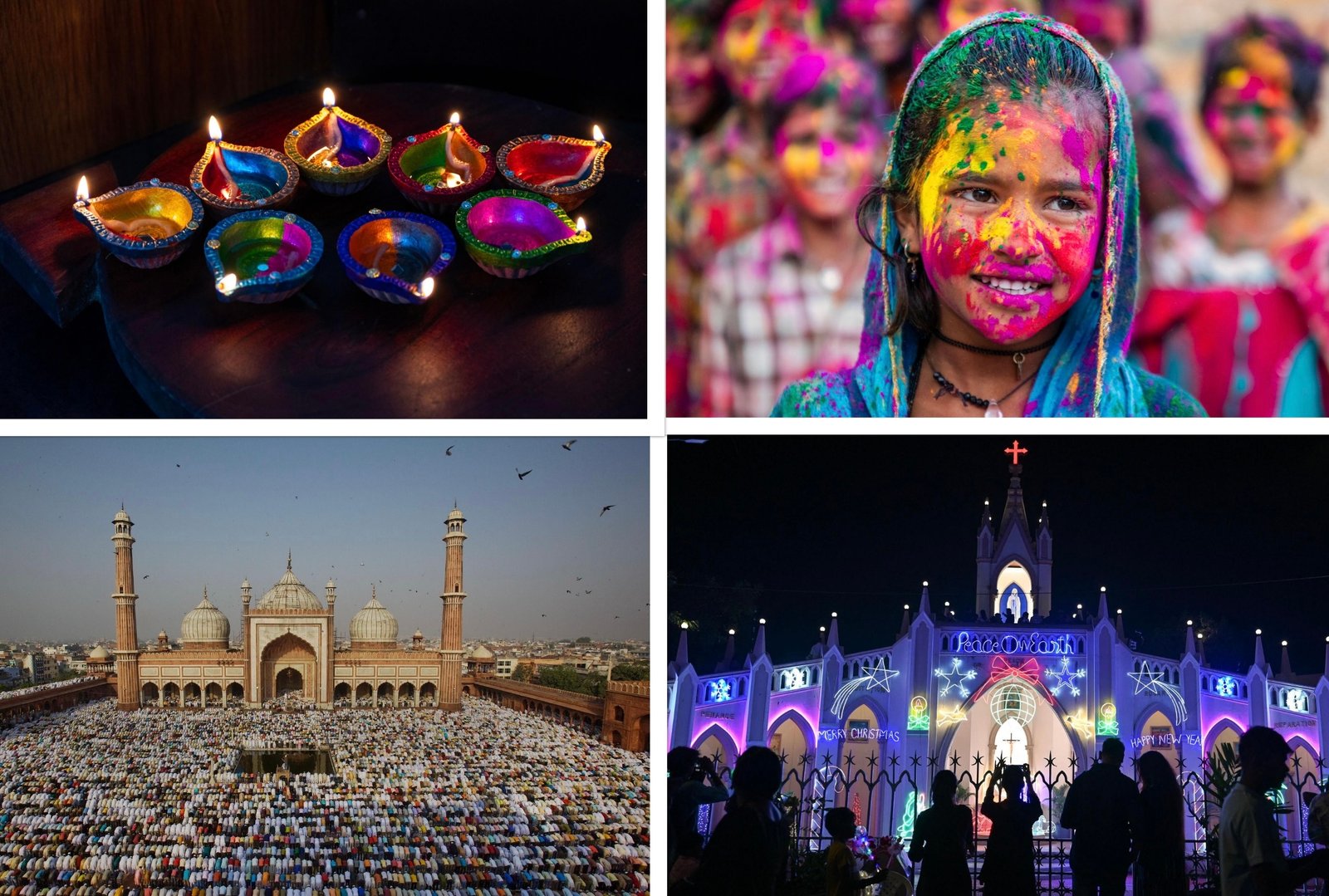
Holi, known as the festival of colors, represents joy, renewal, and the breaking of social barriers. People celebrate by throwing colored powders and sharing festive meals.
Eid and Christmas highlight the religious diversity of India and the spirit of mutual respect among different communities. These festivals are often celebrated not only by followers of the respective religions but also by people from other communities, reflecting the inclusive nature of Indian society.
LAND, LIFE, SPIRIT, AND MODERN IDENTITY
🏞️ The Natural Geography of India: A Land of Infinite Landscapes
India’s physical geography is one of the most diverse and visually stunning in the world, playing a fundamental role in shaping its culture, economy, and way of life. Stretching from the towering Himalayan mountain range in the north to the tropical coastlines of the south, India encompasses almost every type of natural landscape found on Earth. This geographical diversity is not just a feature of the land; it has deeply influenced the lifestyles, traditions, and occupations of its people for centuries.
The northern region of India is dominated by the Himalayas, the highest mountain range in the world. These mountains are not only a natural barrier protecting the country from extreme climatic conditions but also the source of major rivers such as the Ganga, Yamuna, and Brahmaputra. These rivers sustain millions of people by providing water for agriculture, drinking, and daily use. The Himalayan region is also spiritually significant, with many sacred sites and pilgrimage destinations located within its valleys.
Moving southward, the Indo-Gangetic plains form one of the most fertile regions in the world. These plains support extensive agricultural activities, making them the backbone of India’s food production. The rich soil, combined with favorable climatic conditions, allows for the cultivation of crops such as wheat, rice, and sugarcane.
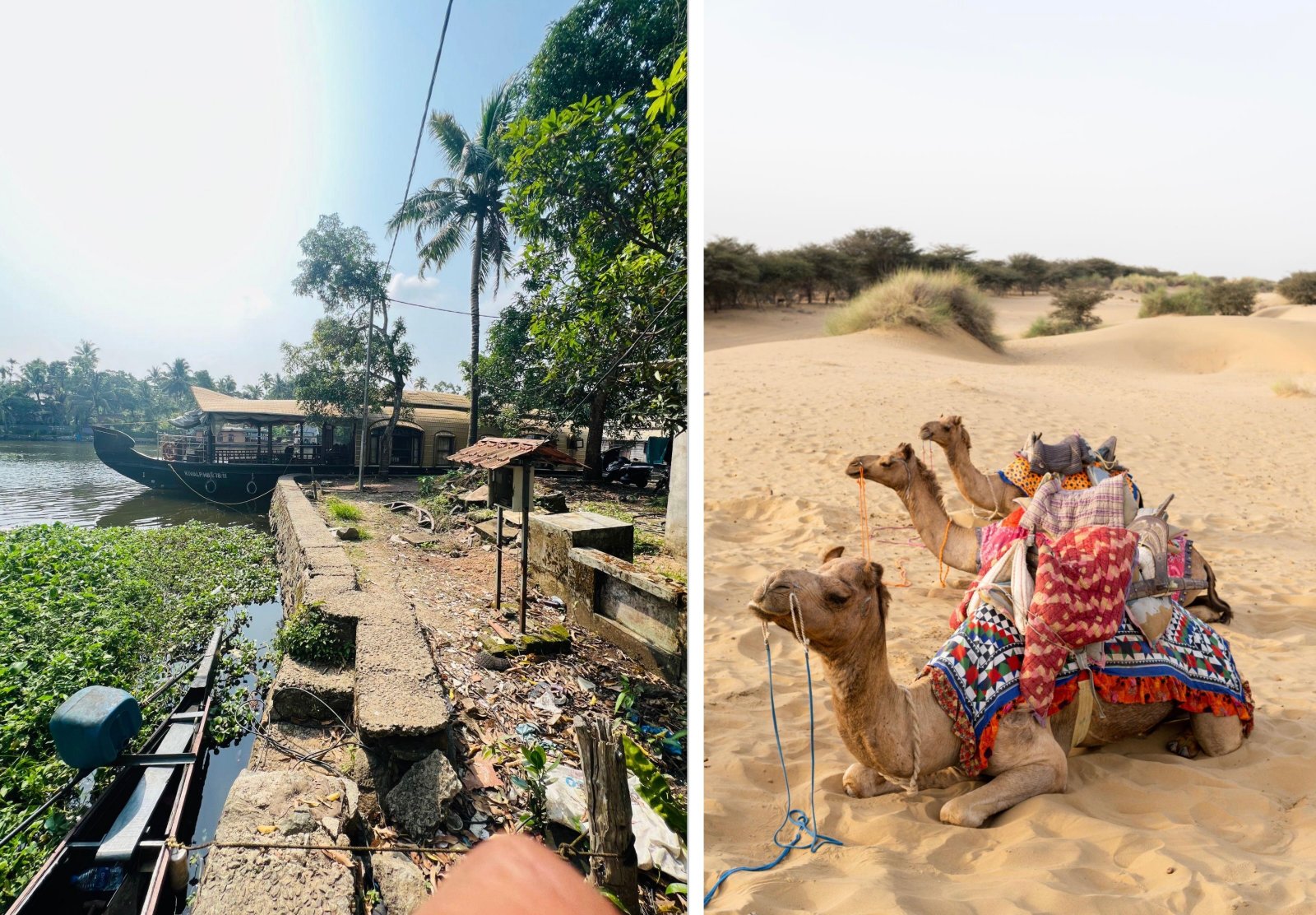
In contrast, the western part of India is home to the Thar Desert, a vast expanse of sand dunes and arid landscapes. Despite harsh conditions, communities in this region have adapted remarkably, developing unique lifestyles, architecture, and cultural practices suited to the environment.
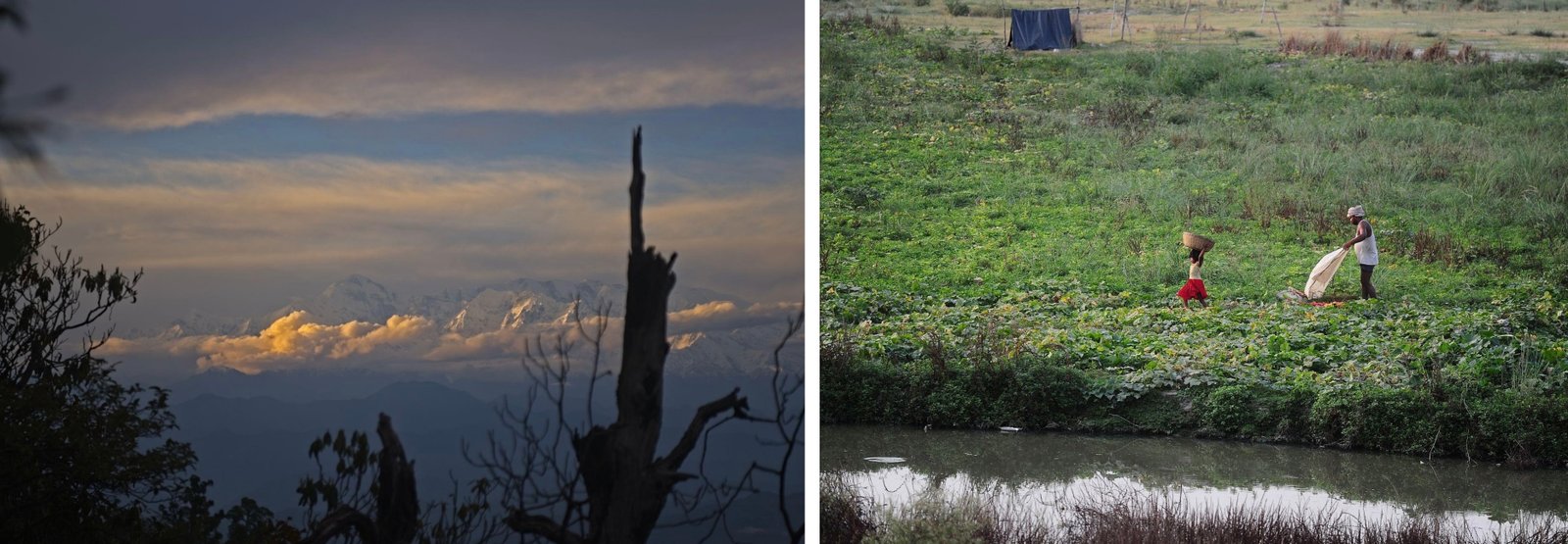
The southern region of India features coastal plains, lush greenery, and the Western and Eastern Ghats, which are rich in biodiversity. States like Kerala are known for their backwaters, tropical climate, and abundant natural beauty, while coastal regions like Goa are famous for their beaches and maritime culture.
This geographical diversity not only contributes to India’s scenic beauty but also supports a wide range of ecosystems, making it one of the most ecologically rich countries in the world.
🏰 Heritage and Architectural Brilliance of India
India’s architectural heritage stands as a testament to its rich history, artistic excellence, and cultural evolution. Across the country, one can find monuments, temples, forts, and palaces that reflect the creativity and skill of past civilizations. These structures are not merely buildings; they are stories carved in stone, representing different eras and influences.
One of the most iconic monuments in the world is the Taj Mahal, a symbol of love and an architectural masterpiece built using white marble. Its intricate carvings, symmetrical design, and artistic details make it a global wonder admired by millions of visitors each year.
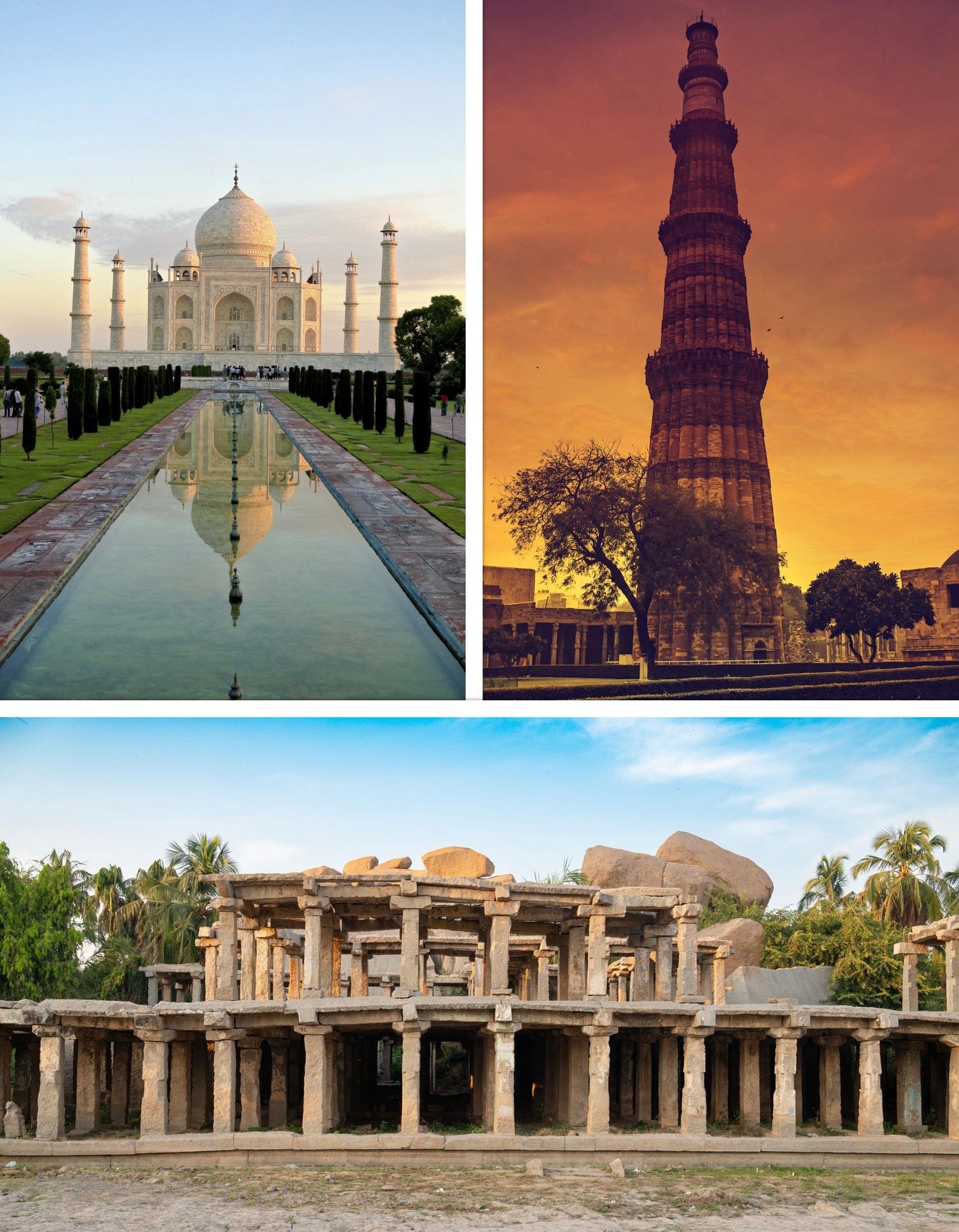
Another remarkable structure is the Qutub Minar, which showcases Indo-Islamic architecture and stands as one of the tallest brick minarets in the world. Similarly, the ruins of Hampi reveal the grandeur of the Vijayanagara Empire, with their massive temples, market streets, and stone structures.
In Rajasthan, palaces such as the Hawa Mahal reflect royal elegance and sophisticated design, while forts like Mehrangarh and Amer Fort demonstrate military strength and architectural brilliance. Temples across India, from the intricate carvings of Khajuraho to the towering gopurams of South India, highlight the spiritual and artistic depth of Indian society.
🍛 Indian Cuisine: A Reflection of Culture and Diversity
Indian cuisine is one of the most diverse and flavorful culinary traditions in the world. It reflects the country’s geographical diversity, cultural influences, and historical interactions. Food in India is not merely a means of sustenance; it is an integral part of social life, tradition, and identity.
Each region of India has developed its own unique style of cooking based on locally available ingredients, climate, and cultural practices. In northern India, wheat-based foods such as roti and naan are common, often accompanied by rich curries and dairy-based dishes. In contrast, southern India is known for rice-based dishes such as dosa, idli, and sambar, which are lighter and often spiced differently.
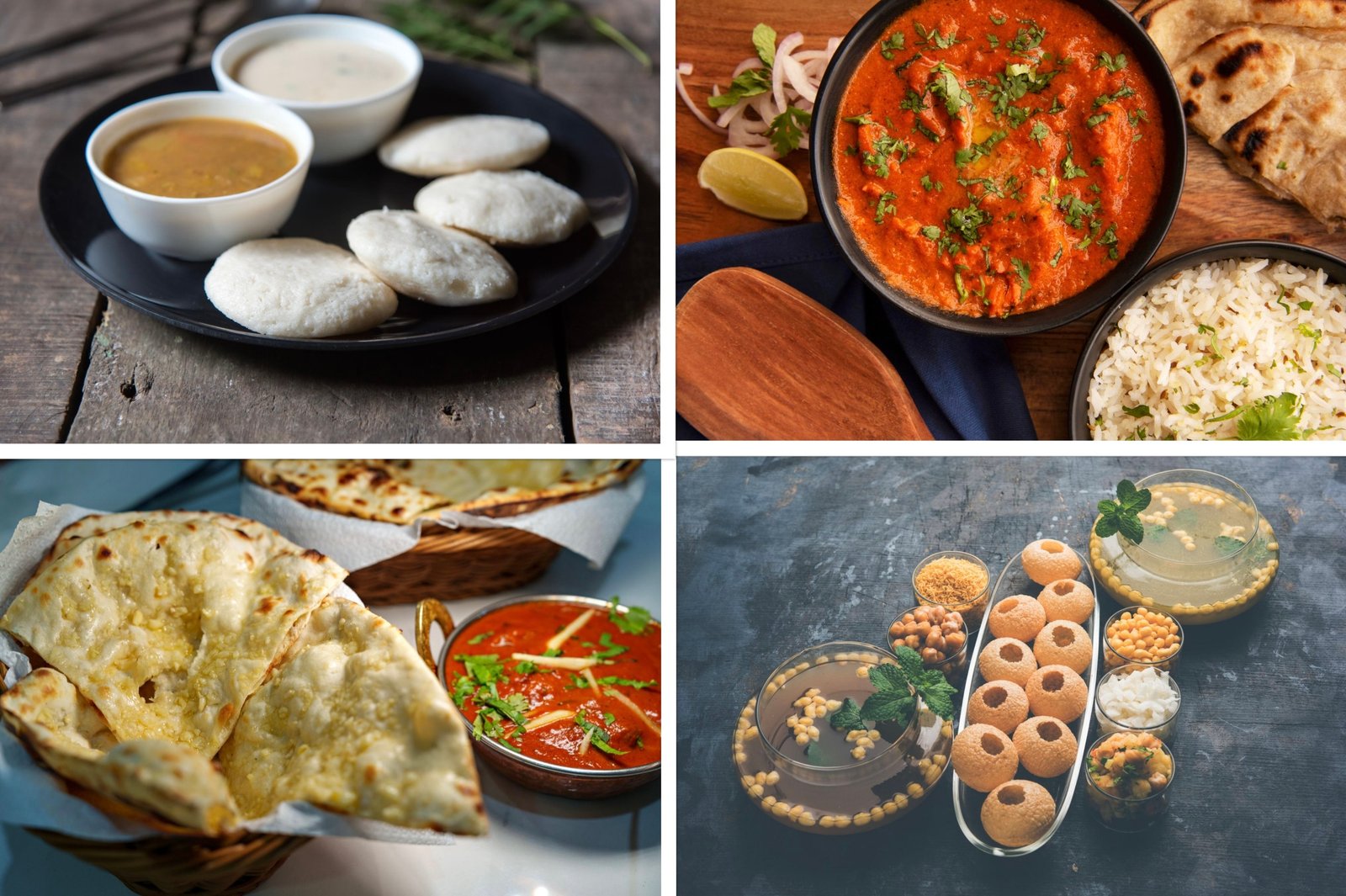
The use of spices is a defining feature of Indian cuisine. Spices such as turmeric, cumin, coriander, and cardamom are not only used for flavor but also have medicinal properties. The careful blending of these spices creates complex and balanced flavors that are unique to Indian cooking.
Street food is another important aspect of Indian cuisine. From pani puri and chaat in the north to vada pav in Mumbai and various regional snacks across the country, street food reflects the creativity and vibrancy of Indian culinary culture.
🧘 Spiritual and Philosophical Depth of India
India is widely recognized as the birthplace of several major religions and spiritual traditions, including Hinduism, Buddhism, Jainism, and Sikhism. These traditions have not only shaped Indian society but have also influenced global philosophical thought.
Spirituality in India is deeply intertwined with daily life. It is reflected in practices such as yoga and meditation, which aim to achieve harmony between the mind, body, and spirit. These practices have gained worldwide recognition for their benefits in promoting mental and physical well-being.
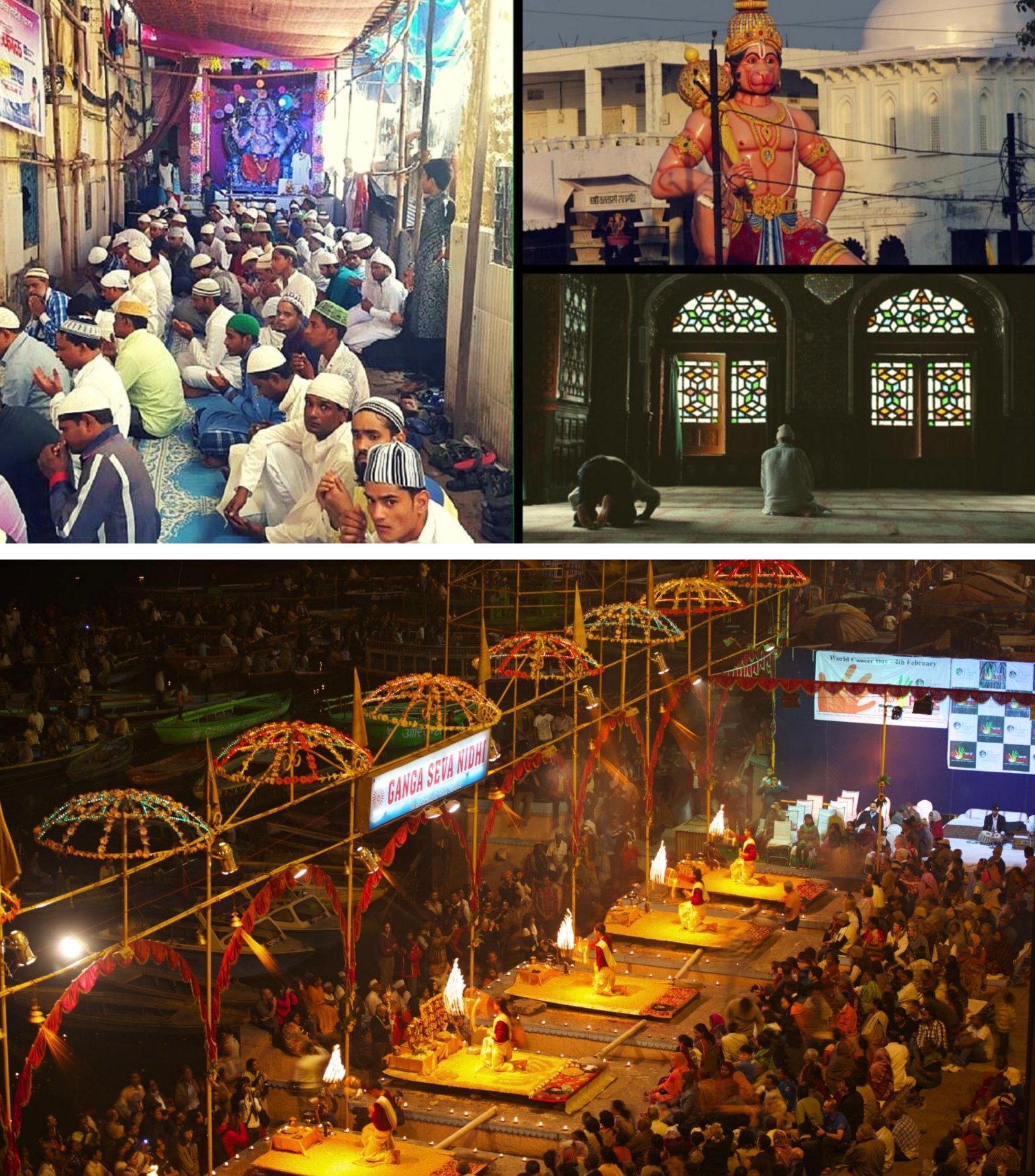
Cities like Varanasi, often considered one of the oldest continuously inhabited cities in the world, serve as centers of spiritual activity. The rituals performed along the banks of the Ganga River symbolize the deep connection between nature, spirituality, and human life.
India’s spiritual diversity is also evident in the coexistence of different religious institutions. Temples, mosques, churches, and monasteries exist side by side, reflecting the country’s commitment to religious tolerance and coexistence.
🚀 Modern India: Growth, Innovation, and Global Presence
Modern India represents a dynamic blend of tradition and progress. Over the past few decades, the country has made significant advancements in various fields, including technology, science, education, and industry. It has emerged as one of the fastest-growing major economies in the world.
Cities like Bengaluru, Hyderabad, and Pune have become global centers for information technology and innovation. Indian professionals contribute significantly to the global workforce, particularly in sectors such as software development, engineering, and healthcare.
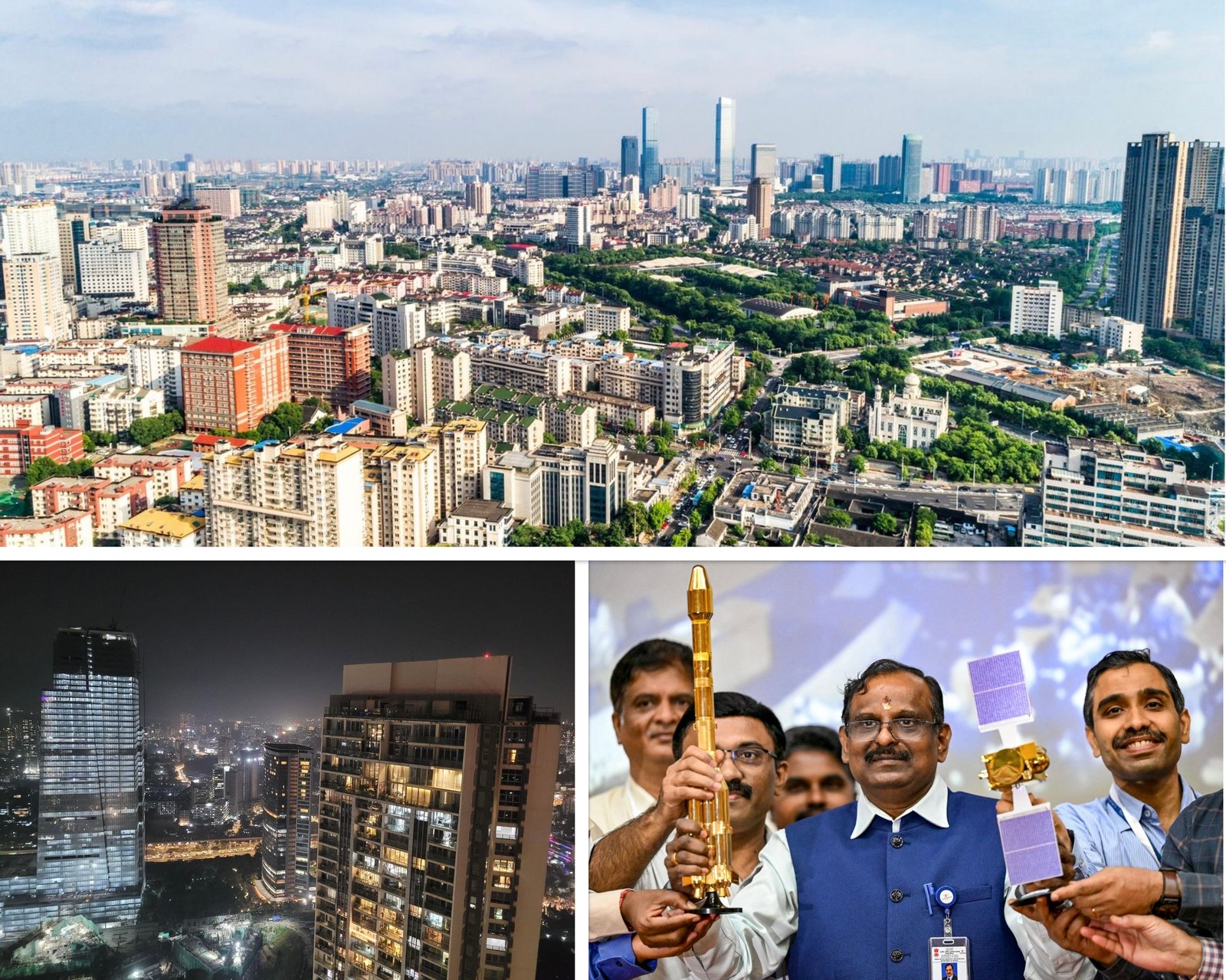
India’s space agency, ISRO, has achieved remarkable milestones, including cost-effective satellite launches and successful missions to Mars and the Moon. These achievements highlight the country’s scientific capabilities and commitment to technological advancement.
At the same time, India continues to address challenges related to infrastructure, urbanization, and social development. Government initiatives and policies aim to promote inclusive growth and improve the quality of life for all citizens.
REGIONAL SOUL, LIVING TRADITIONS, GLOBAL VOICE, AND THE FUTURE
🌏 Regional Diversity: The Many Worlds Within India
North India: Power, Pilgrimage, and Plains
North India presents a powerful blend of spirituality, history, and geographical variety. The vast Indo-Gangetic plains have nurtured civilizations for millennia, supported by rivers like the Ganga and Yamuna that continue to shape agriculture, settlement, and culture. Cities such as Varanasi embody spiritual continuity, where daily rituals along the river reflect an unbroken chain of tradition. In Punjab, the Golden Temple stands as a symbol of faith, service, and equality, welcoming people from all walks of life.
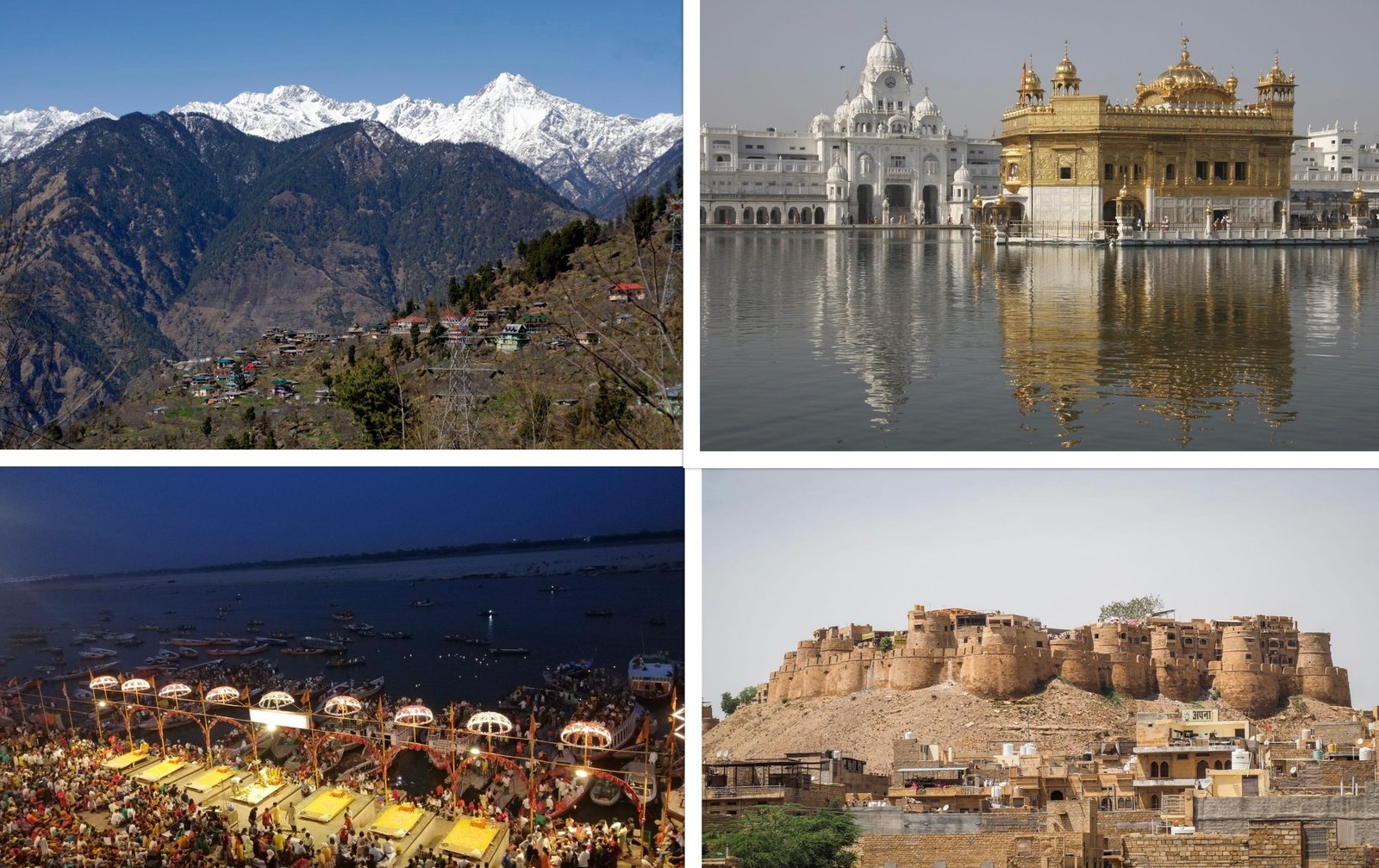
The northern landscape shifts dramatically from fertile plains to the rugged beauty of Himachal Pradesh and Uttarakhand, where mountain communities have developed lifestyles adapted to altitude and climate. In contrast, Rajasthan’s desert environment has produced a culture of resilience, visible in its forts, folk music, and vibrant attire that brings color to arid surroundings. Across this region, language, food, and customs vary, yet a shared civilizational memory connects its people.
South India: Tradition, Temple Culture, and Knowledge Systems
South India is known for its deep-rooted traditions, classical arts, and architectural grandeur. The region’s temples are not merely places of worship but centers of cultural activity, education, and social organization. Structures like the Meenakshi Temple in Madurai display intricate carvings and towering gateways, reflecting centuries of artistic excellence.
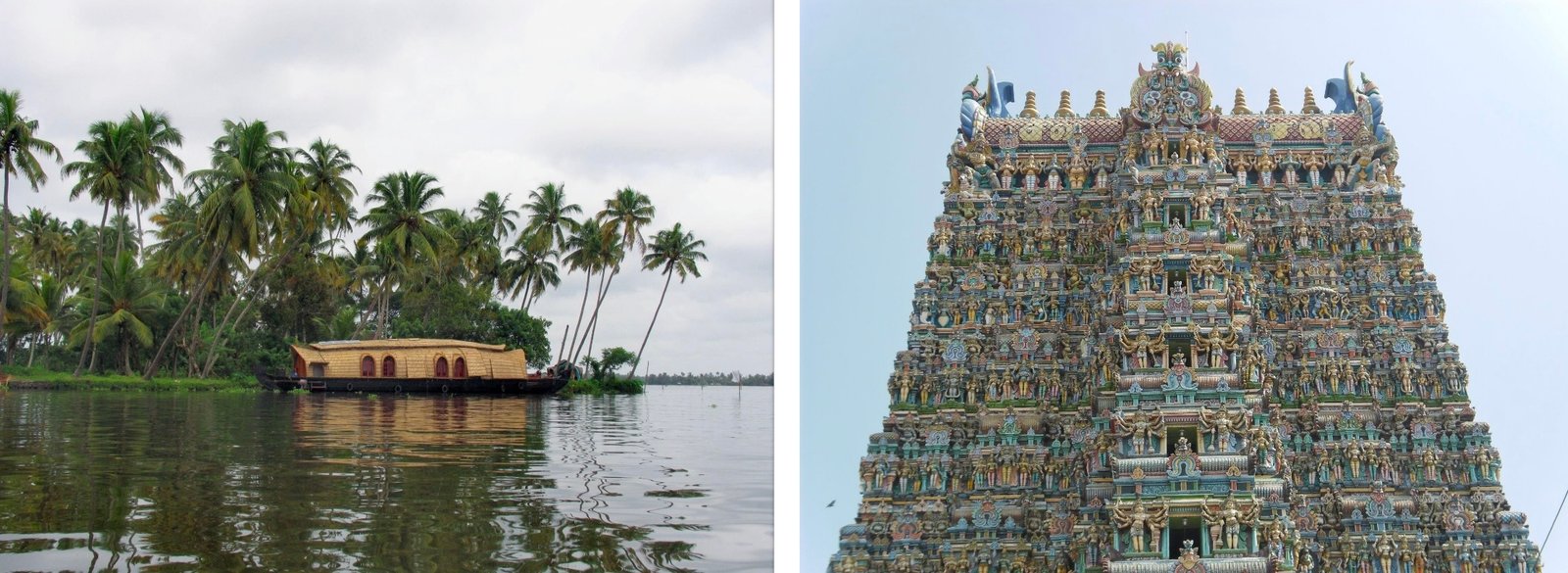
The cultural life of South India is enriched by classical music and dance traditions, including Bharatanatyam and Carnatic music, which have been preserved with remarkable discipline. The coastal geography, especially in Kerala, creates a unique ecosystem of backwaters and greenery, influencing cuisine, occupations, and lifestyle.
Languages such as Tamil, Telugu, Kannada, and Malayalam carry rich literary traditions, some of which date back thousands of years. These languages are not just means of communication but carriers of philosophy, poetry, and identity.
East India: Culture, Literature, and Spiritual Depth
Eastern India offers a distinctive cultural identity shaped by literature, art, and spiritual expression. West Bengal, in particular, has contributed immensely to Indian literature, music, and intellectual thought. Festivals like Durga Puja transform cities into vibrant centers of artistic creativity, where elaborate decorations and community participation create a unique atmosphere.
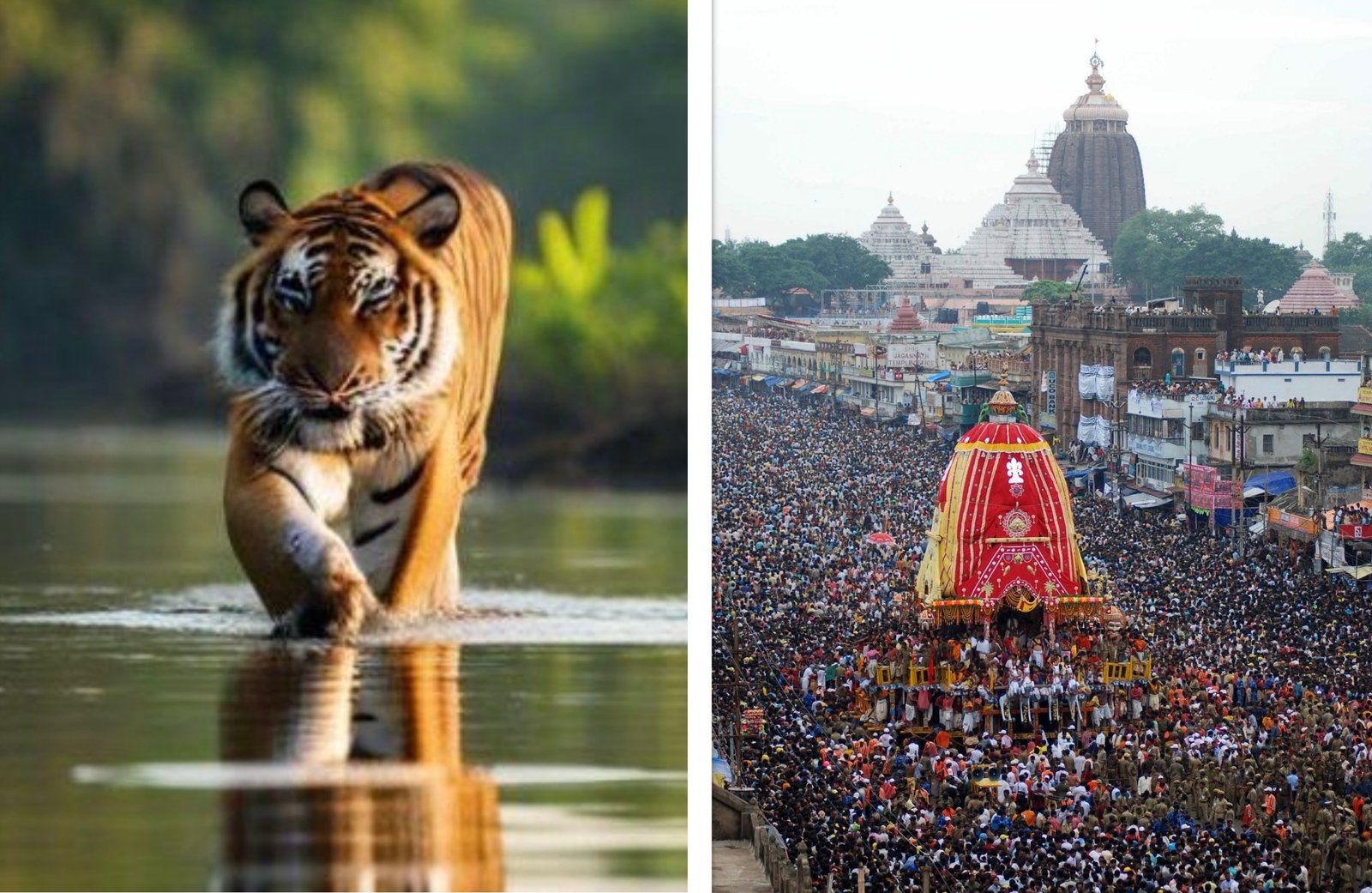
Odisha’s Jagannath tradition represents devotion expressed through grand rituals and community involvement, especially during the famous Rath Yatra. The Sundarbans, a vast mangrove forest, highlight the ecological diversity of the region and its delicate balance between human life and nature.
Eastern India’s culture emphasizes emotional expression, artistic refinement, and intellectual depth, making it a vital component of India’s overall identity.
West India: Trade, Tradition, and Transformation
Western India represents a dynamic combination of tradition and modernity. Cities like Mumbai are economic powerhouses, serving as financial and commercial centers that connect India to the global economy. At the same time, traditional practices remain strong, especially during festivals such as Ganesh Chaturthi, which brings communities together in large-scale celebrations.
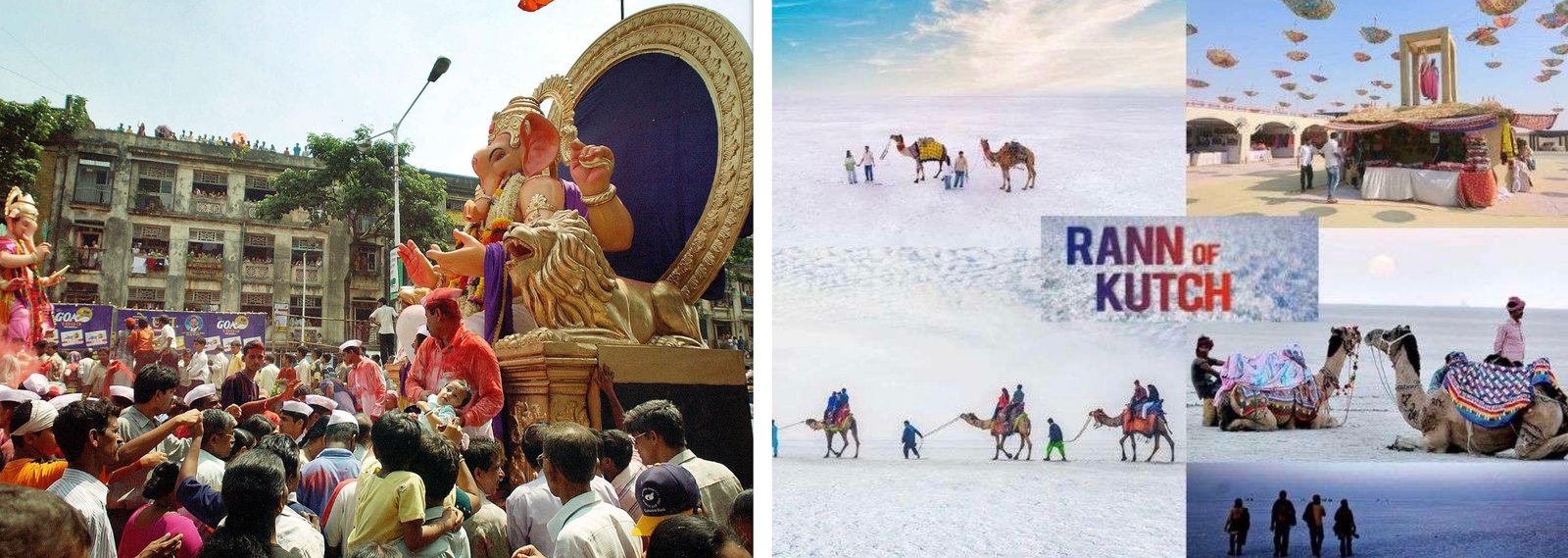
Gujarat showcases vibrant cultural expressions through dance forms like Garba, especially during Navratri. The Rann of Kutch, with its vast white desert, offers a unique landscape that becomes a hub of cultural activity during seasonal festivals.
This region highlights India’s entrepreneurial spirit, adaptability, and ability to integrate tradition with rapid development.
Northeast India: Nature, Identity, and Cultural Uniqueness
Northeast India is one of the most culturally distinct and ecologically rich regions of the country. Comprising multiple states with unique tribal identities, languages, and traditions, it offers a different perspective on Indian diversity. The region’s landscapes include dense forests, rolling hills, and abundant rainfall, supporting a rich biodiversity.
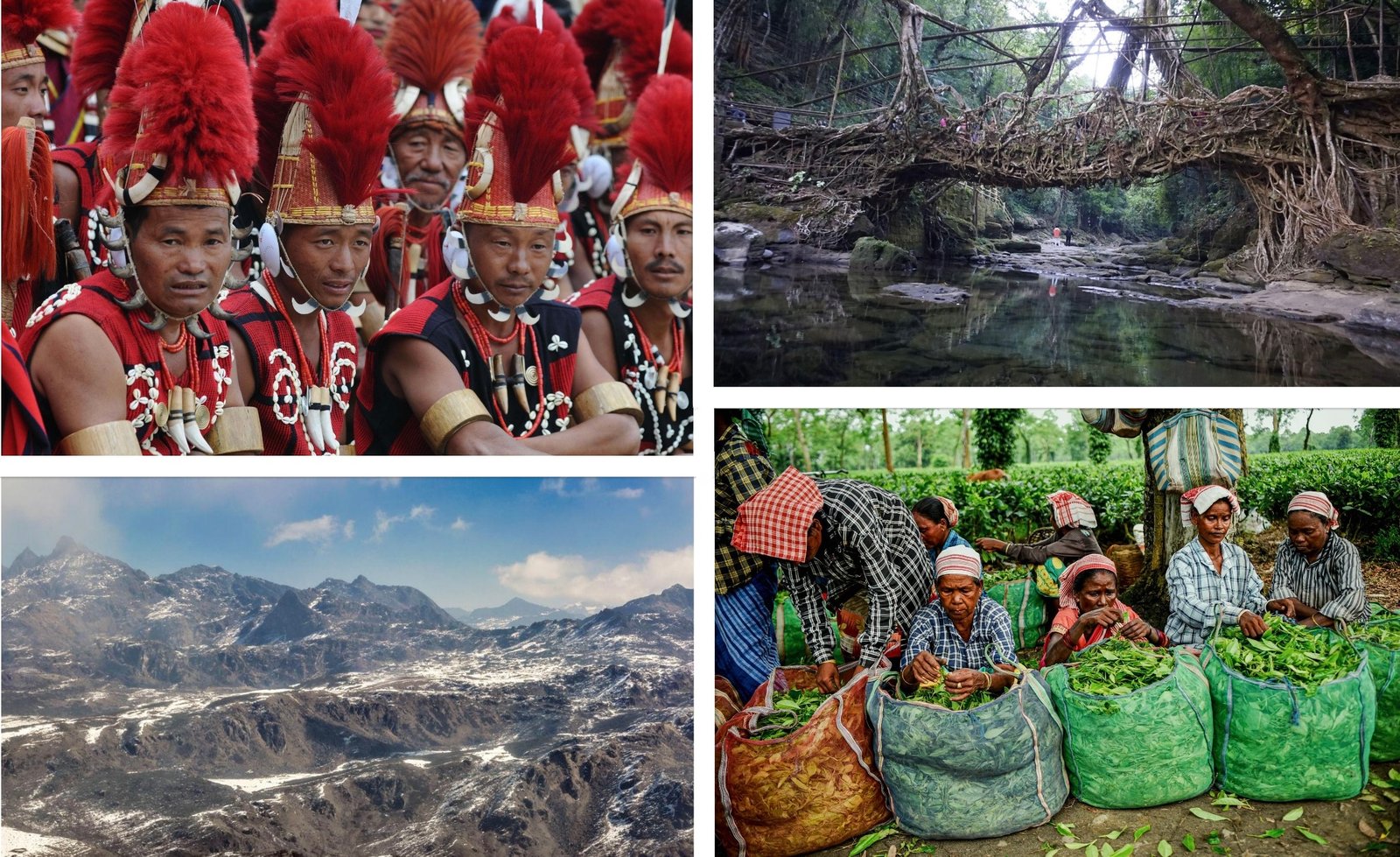
Cultural practices in the Northeast are closely linked to nature and community life. Festivals often celebrate harvests, seasons, and ancestral traditions. The Hornbill Festival in Nagaland, for example, showcases tribal heritage through music, dance, and crafts.
Despite geographical isolation, the Northeast contributes significantly to India’s cultural mosaic, reminding us that diversity is not uniform but beautifully varied.
🌐 India’s Global Influence and Contribution
India’s influence extends far beyond its borders, shaping global culture, economy, and thought. Practices such as yoga and meditation, originating in India, are now embraced worldwide for their physical and mental benefits. Indian cuisine has gained international popularity, with its diverse flavors and culinary traditions appreciated across continents.
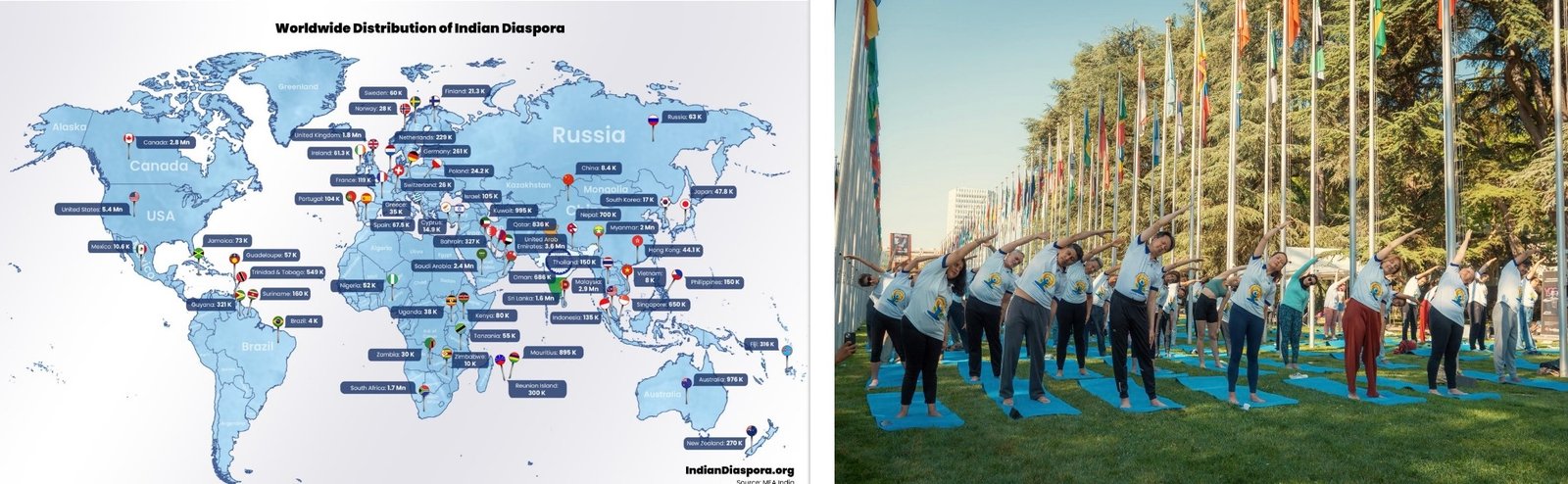
The Indian diaspora, spread across various countries, plays a significant role in promoting Indian culture and contributing to global development. From technology and medicine to business and academia, Indians have made notable contributions worldwide.
India’s film industry, especially Bollywood, reaches global audiences, showcasing stories, music, and cultural themes that resonate beyond linguistic and cultural barriers.
📜 National Values and Responsibilities
India’s identity is guided by the principles laid down in the Constitution of India, which serves as the foundation of its democratic system. These principles include justice, liberty, equality, and fraternity, ensuring that all citizens are treated fairly and have the opportunity to grow.
Citizens also have responsibilities that are essential for the nation’s progress. These include respecting the country, protecting the environment, promoting harmony, and contributing positively to society. The balance between rights and duties ensures that democracy functions effectively.
India’s strength lies not only in its diversity but also in its shared commitment to these values, which guide its journey as a nation.
🌟 India — A Living Legacy
India is not just a country defined by geography or politics; it is a living legacy shaped by thousands of years of history, culture, and human experience. Its diversity is not a weakness but a strength, allowing it to adapt, evolve, and grow while preserving its core identity.
From its ancient civilizations to its modern achievements, from its spiritual depth to its technological progress, India represents a unique blend of tradition and innovation. Its people, languages, festivals, and landscapes together create a nation that is both complex and harmonious.
The true beauty of India lies in its ability to remain united despite immense diversity, to embrace change without losing its roots, and to inspire the world through its values and contributions.
India is not just a place to be seen; it is a story to be understood, a culture to be experienced, and a legacy to be cherished.