
Hind Today News
Breaking | National | World
📈 What Is Inflation and Why Do Prices Keep Rising?
A Complete Guide for Every Citizen to Understand Inflation and Its Impact on Daily Life
Introduction: Why Everything Feels More Expensive Today
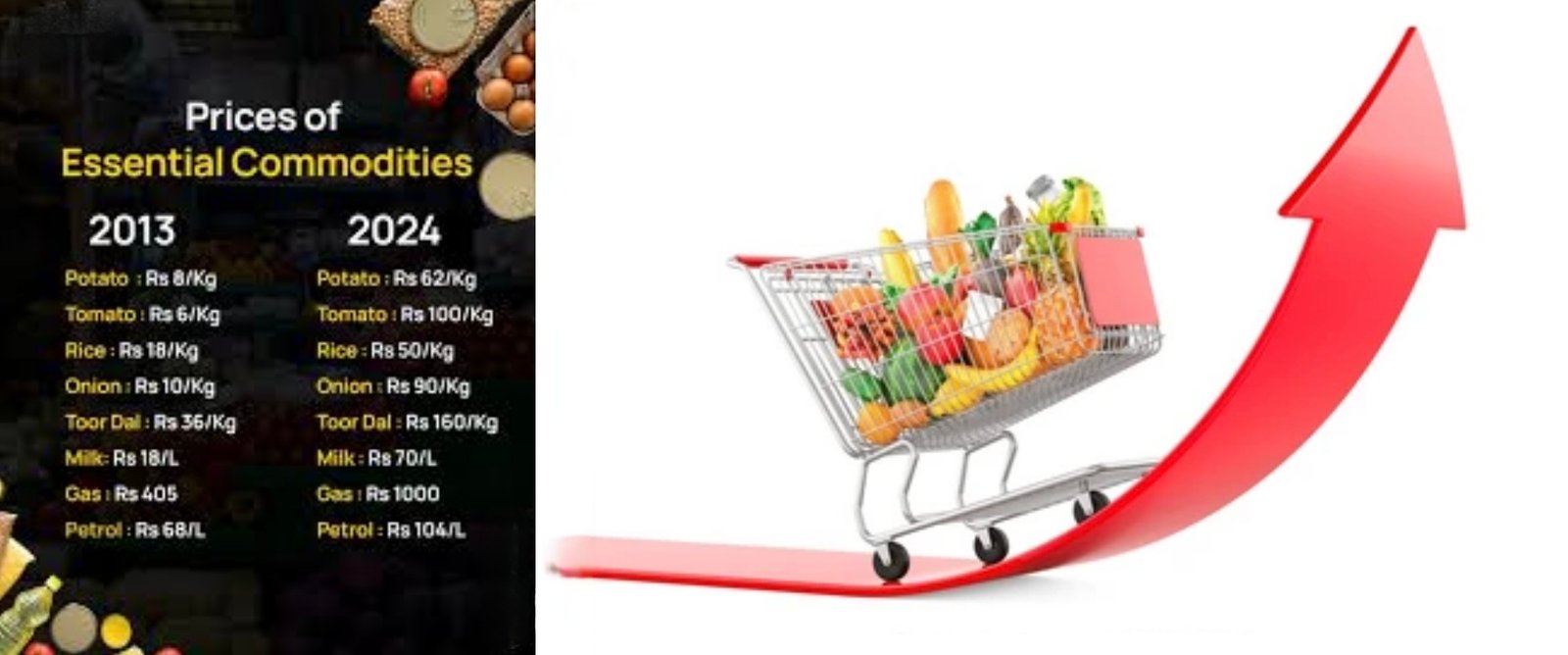
Almost every person has experienced the feeling that money does not stretch as far as it once did. A few years ago, ₹100 could buy more groceries, more fuel, or more household items than it can today. Many people often wonder why prices continue to rise even when their income does not increase at the same pace. This phenomenon is known as inflation, and it is one of the most important economic concepts affecting everyday life.
Inflation refers to the general increase in the prices of goods and services in an economy over a period of time. When inflation occurs, the purchasing power of money decreases. This means that the same amount of money buys fewer goods and services than it did before. Inflation does not necessarily mean that every price rises at the same rate, but it indicates that the overall price level in the economy is increasing.
For example, if the inflation rate is 6%, it means that on average prices have increased by 6% compared to the previous year. As inflation rises, households must spend more to maintain the same standard of living. This is why inflation is closely monitored by governments, central banks, and economists.
📘 Understanding Inflation in Simple Terms
To understand inflation clearly, it is helpful to imagine money as a measure of value. When prices rise across the economy, the value of money declines. Inflation therefore represents a reduction in the purchasing power of currency.
Inflation affects almost every aspect of economic life. It influences savings, wages, investments, government policies, and business decisions. When inflation is moderate and controlled, it can actually support economic growth. However, when inflation becomes too high, it can harm the economy and create financial instability.
Economists usually measure inflation using price indices that track changes in the cost of a selected group of goods and services over time. In India, two important indices are used to measure inflation:
- Consumer Price Index (CPI): Measures the average change in prices paid by consumers for a basket of goods and services.
- Wholesale Price Index (WPI): Measures the average change in prices received by producers for their goods at the wholesale level.
The Consumer Price Index reflects the prices that consumers pay for goods and services such as food, clothing, housing, and transportation. It is the most widely used indicator for measuring inflation affecting households.
💰 Types of Inflation
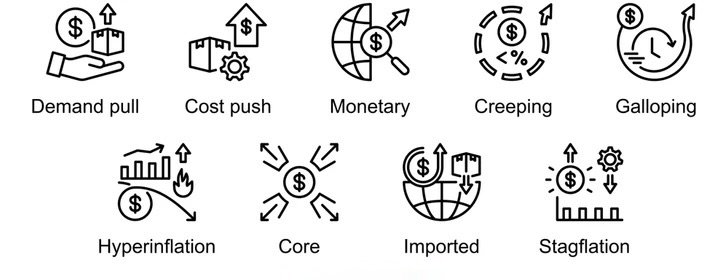
Demand-Pull Inflation
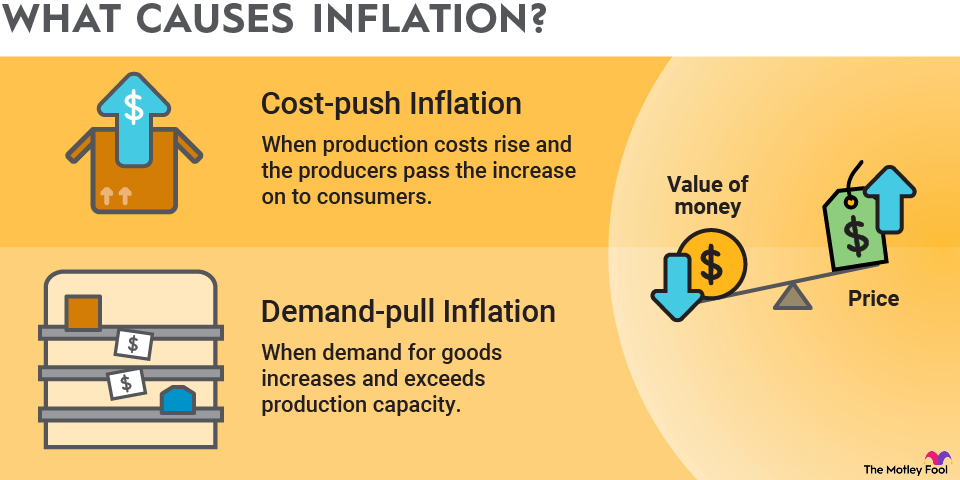
Demand-pull inflation occurs when the demand for goods and services in an economy increases faster than the supply. When consumers have more money to spend, businesses may raise prices because demand is higher than available production.
Examples include:
- Economic growth increasing consumer spending
- Government stimulus programs increasing purchasing power
- Expansion of credit and easy loans
Cost-Push Inflation
Cost-push inflation occurs when the cost of producing goods increases. When businesses face higher costs for raw materials, wages, or energy, they often pass those costs on to consumers by raising prices.
Common causes include:
- Increases in the price of fuel
- Rising in wages
- Higher costs of imported goods
Built-In Inflation
Built-in inflation occurs when workers demand higher wages to keep up with rising living costs. Businesses then increase prices to maintain profits, creating a cycle of wage increases and price increases.
🏦 Major Causes of Inflation
Inflation does not occur randomly; it usually results from multiple economic factors working together.
One major cause is increase in money supply. When too much money circulates in the economy without a corresponding increase in production, prices tend to rise.
Another important factor is supply shortages. If natural disasters, geopolitical tensions, or supply chain disruptions reduce the availability of goods, prices may increase because demand remains high while supply is limited.
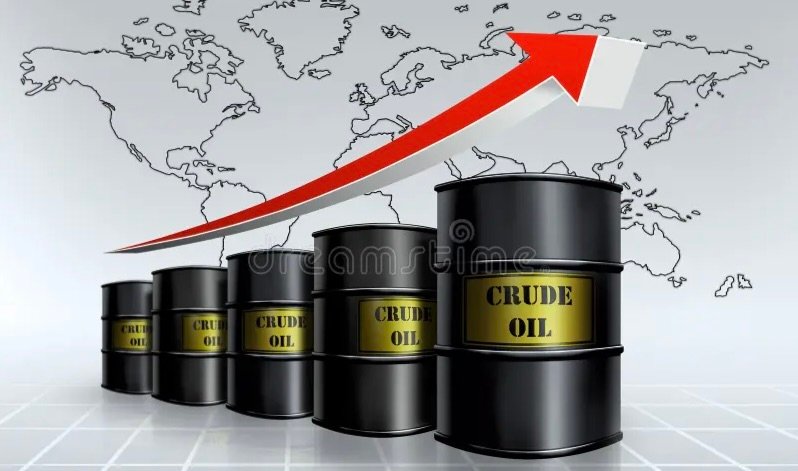
Global events also influence inflation. For example, increases in crude oil prices can raise transportation and manufacturing costs, which eventually increases the prices of many consumer products.
Other factors contributing to inflation include:
- Currency depreciation
- Rising government expenditure
- Increased taxes
- Import costs
📊 How Inflation Is Measured in India
India measures inflation primarily through the Consumer Price Index (CPI). This index reflects the average change in prices paid by consumers for a basket of goods and services.
The CPI basket includes several categories such as:
- Food and beverages
- Housing
- Clothing and footwear
- Fuel and light
- Transport and communication
- Education and healthcare
The Reserve Bank of India uses CPI data to determine monetary policy decisions and maintain price stability.
🧍♂️ Role of the Reserve Bank of India in Controlling Inflation
The Reserve Bank of India (RBI) is responsible for maintaining price stability in the country. The RBI uses monetary policy tools to control inflation and ensure that economic growth remains stable.
One of the most important tools used by the RBI is the repo rate, which is the interest rate at which commercial banks borrow money from the central bank. When inflation rises, the RBI may increase the repo rate to make borrowing more expensive. This reduces spending and helps slow down price increases.
Other tools used by the RBI include:
- Cash Reserve Ratio (CRR)
- Open Market Operations
- Statutory Liquidity Ratio (SLR)
📉 Impact of Inflation on Common People
Inflation affects different groups of people in different ways. For middle-class households and low-income families, rising prices can significantly reduce purchasing power and living standards.
Food inflation particularly affects families because groceries form a large part of household spending. When food prices rise rapidly, families may have to reduce consumption or adjust their budgets.

Inflation also affects:
- Salaried employees whose wages may not rise at the same rate as prices
- Retirees who rely on fixed incomes
- Small businesses facing higher operating costs
Relationship Between Inflation and Economic Growth
A moderate level of inflation is generally considered healthy for an economy. It encourages spending and investment because people expect prices to rise in the future. This can stimulate production and economic growth.
However, very high inflation can create uncertainty and reduce purchasing power. Businesses may hesitate to invest, and consumers may struggle to afford basic goods. In extreme cases, uncontrolled inflation can lead to economic crises.
🛡️ Inflation and Government Policy
Government fiscal policies also play a role in managing inflation. Through taxation, subsidies, and public spending, governments can influence demand and supply in the economy.
For example, the government may:
- Reduce import duties to increase supply of goods
- Provide subsidies to control food prices
- Increase production through agricultural support programs
How Citizens Can Protect Themselves from Inflation
Although individuals cannot control inflation, they can take steps to protect their finances.
Some common strategies include:
- Investing in assets that grow with inflation
- Diversifying investments
- Increasing savings
- Improving financial literacy
✅ Conclusion: Why Understanding Inflation Is Important
Inflation is one of the most powerful forces shaping the economy. It affects how much people can buy, how businesses operate, and how governments design economic policies. While moderate inflation is a natural part of economic growth, excessive inflation can harm living standards and create financial instability.
For every citizen, understanding inflation is essential because it directly influences daily expenses, savings, and long-term financial planning. An informed society is better equipped to adapt to economic changes and make responsible financial decisions.
In a rapidly changing global economy, awareness of inflation and its causes helps individuals, businesses, and governments work toward a more stable and prosperous future.
📌 FAQs
Is inflation always bad?
No. Moderate inflation supports economic growth.
Who measures inflation in India?
Government agencies and the RBI measure inflation using price indexes.
Does inflation affect poor people more?
Yes. Rising prices hit low-income groups the hardest.